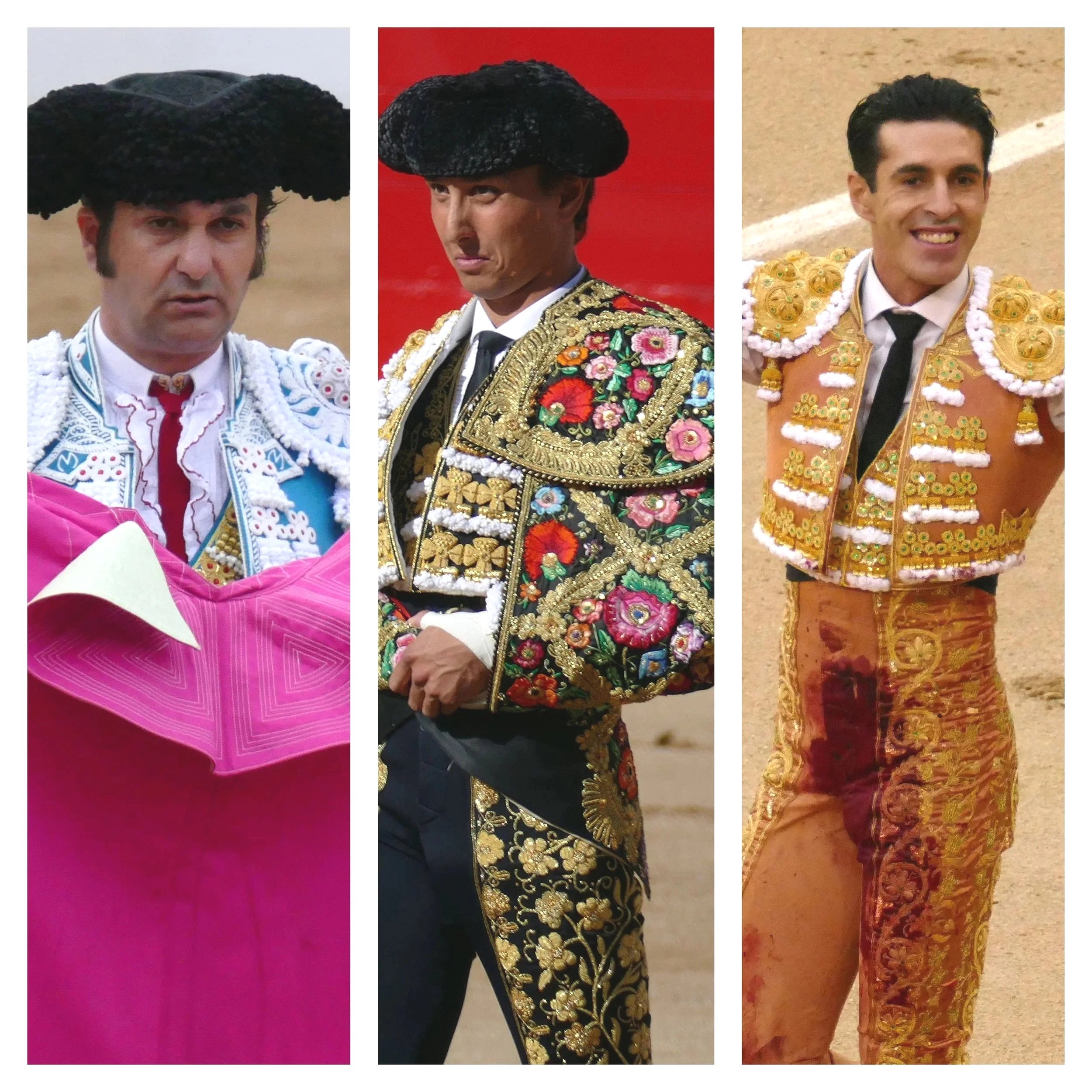
“Pulling the cart” is the expression given to the task accomplished by the figura toreros on which the success of a temporada in terms of ticket sales depends. In 2026, as in previous years, the two main cart horses were Morante de la Puebla and Andrés Roca Rey. Alejandro Talavante, while not being as much of a draw as the other two, was nevertheless viewed by the empresas as a reliable fallback and ended the season at the top of the matadors’ escalafón for the second year running.
Morante de la Puebla
As 2026 got underway, no one was sure whether Morante, the main draw, would even appear in the forthcoming temporada. His dramatic undoing of his coleta at the end of his Día de Hispanidad performance in Madrid the previous October had been taken as an indication he wanted to retire, although Morante himself had begun to cast doubts on the action’s significance almost as soon as he got back to his hotel. The uncertainty posed a particular problem for José María Garzón, the new empresa of La Maestranza, who was faced with the possibility of constructing Sevilla’s Feria de Abril without the presence of the city’s taurine idol. Garzón despatched himself to Morante’s finca and soon was able to announce he’d persuaded the maestro to perform in Sevilla after all.
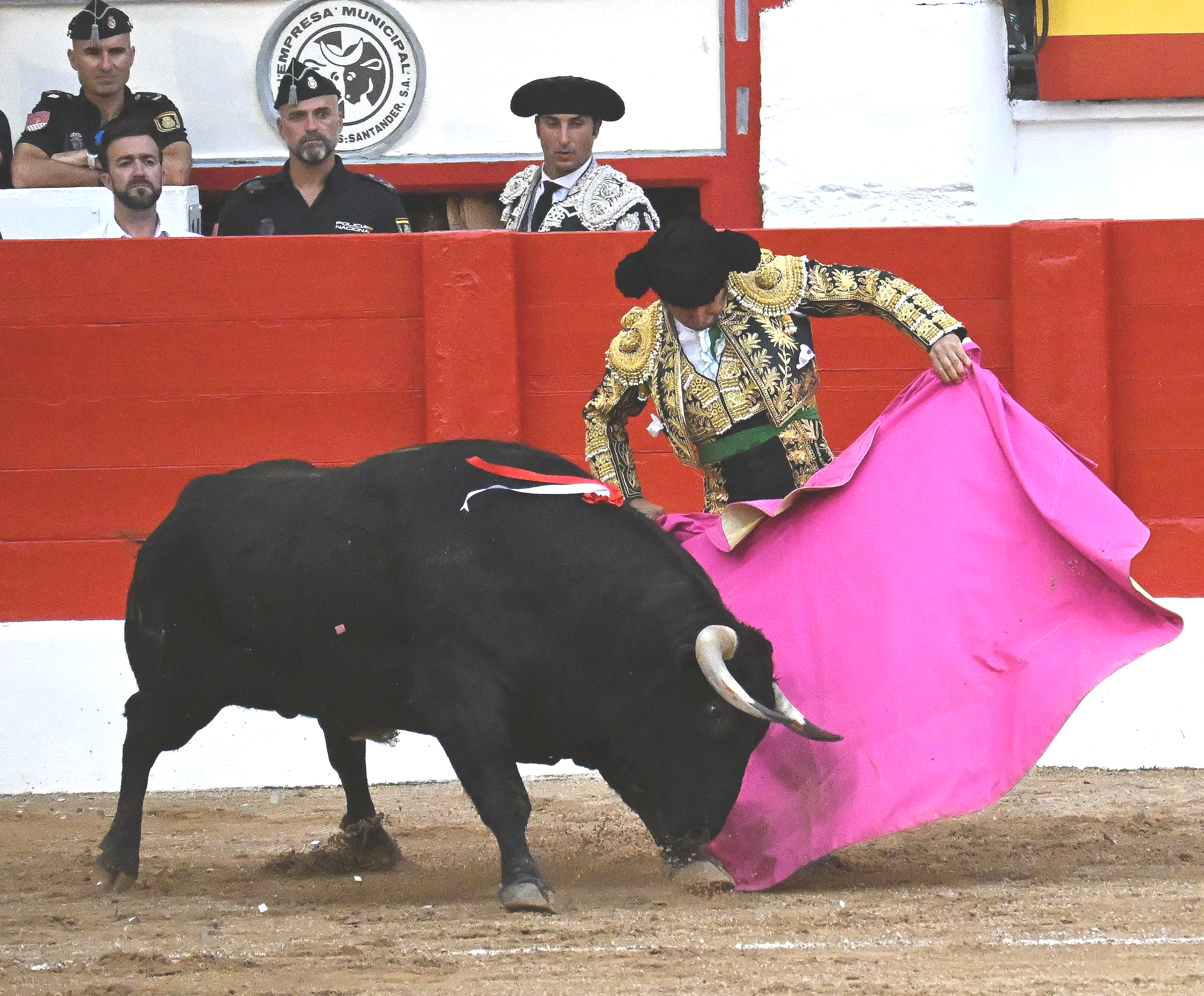
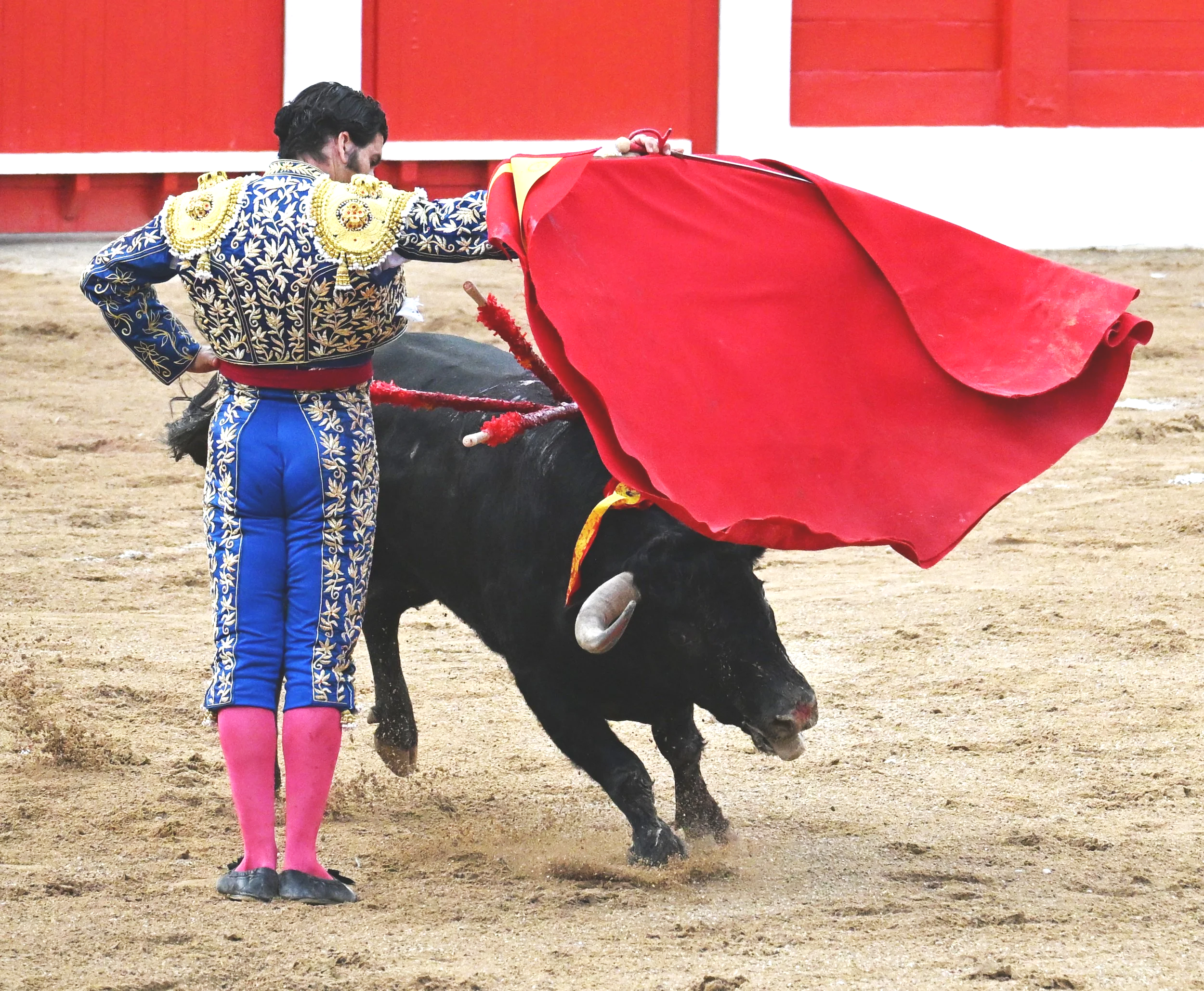
The official story was that whether Morante appeared beyond Sevilla in 2026 would depend on those initial performances. Indeed, Garzón had attempted to sign him up for five corridas - Easter Sunday, two afternoons in the April feria, Corpus Christi and a final appearance in September’s Feria de San Miguel - but Morante would only commit himself to the first four of these and it was agreed to leave a space in the fifth afternoon open for him to opt into later in the year. In the event, the man from Puebla del Río won two ears in the Easter Sunday corrida and went on to appear in 51 corridas (including at Sevilla in September) over the course of the season - two more than had featured in his exhausting 2025 temporada - and finished fifth in the escalafón with a tally of 45 ears.
Every empresa wanted to feature him in their carteles and, unsurprisingly, Morante’s season had a similar feel to the year before - strong performances up until the end of June and a latter half in which tiredness and injury took their toll. But the crowds, perhaps more conscious than ever that this matador’s career is nearing its end, flocked to see him nevertheless and there were afternoons on which Morante’s toreo was both unique and glorious. His chief successes came at Sevilla (twice), Jerez, Aranjuez (twice), Alicante, El Puerto de Santa María (where he was put on in all of the plaza’s summer corridas), Gijón, Almagro, Palencia, Albacete and Úbeda. After a run of disappointing October performances at Zafra, Valencia, Madrid and Zaragoza, Morante once again spoke of uncertainties as to whether he would torear in 2027, but before long it was made known that his veedor was out looking for suitable bulls for the new season. Let us hope that, this time, Morante and his apoderado take a more measured approach, one that faces up to the empresas, who would put him on every day if they could, and does not lead to a worn-out matador by the start of the summer.
Andrés Roca Rey
The younger Andrés Roca Rey has felt the rigours of an over-committed season before, but, now managed by Luis Manuel Lozano, was persuaded to appear in 58 corridas this year - 20 more than in 2025 when the Peruvian was managed by his brother, Fernando - leaving him second in the escalafón with 119 ears and six tails cut.
His main successes occurred at Olivenza, Arnedo, Lorca, Sevilla (where he also received a cornada grave whilst killing), Jerez, Cáceres, Sanlúcar de Barrameda, Alicante, Pamplona, Estepona, Santander, Huelva, Pontevedra, Dax, Béziers, Gijón, Málaga, Almería, Tarazona, Palencia, San Martín de Valdeiglesias, Valladolid, Albacete, Arles, Salamanca, Murcia, Nîmes and Úbeda - an impressive list. After a relatively low-key 2025, Andrés effectively reaffirmed his standing, his tally of ears and tails being higher than any other matador’s as well as his number of trophies won in first-class plazas.
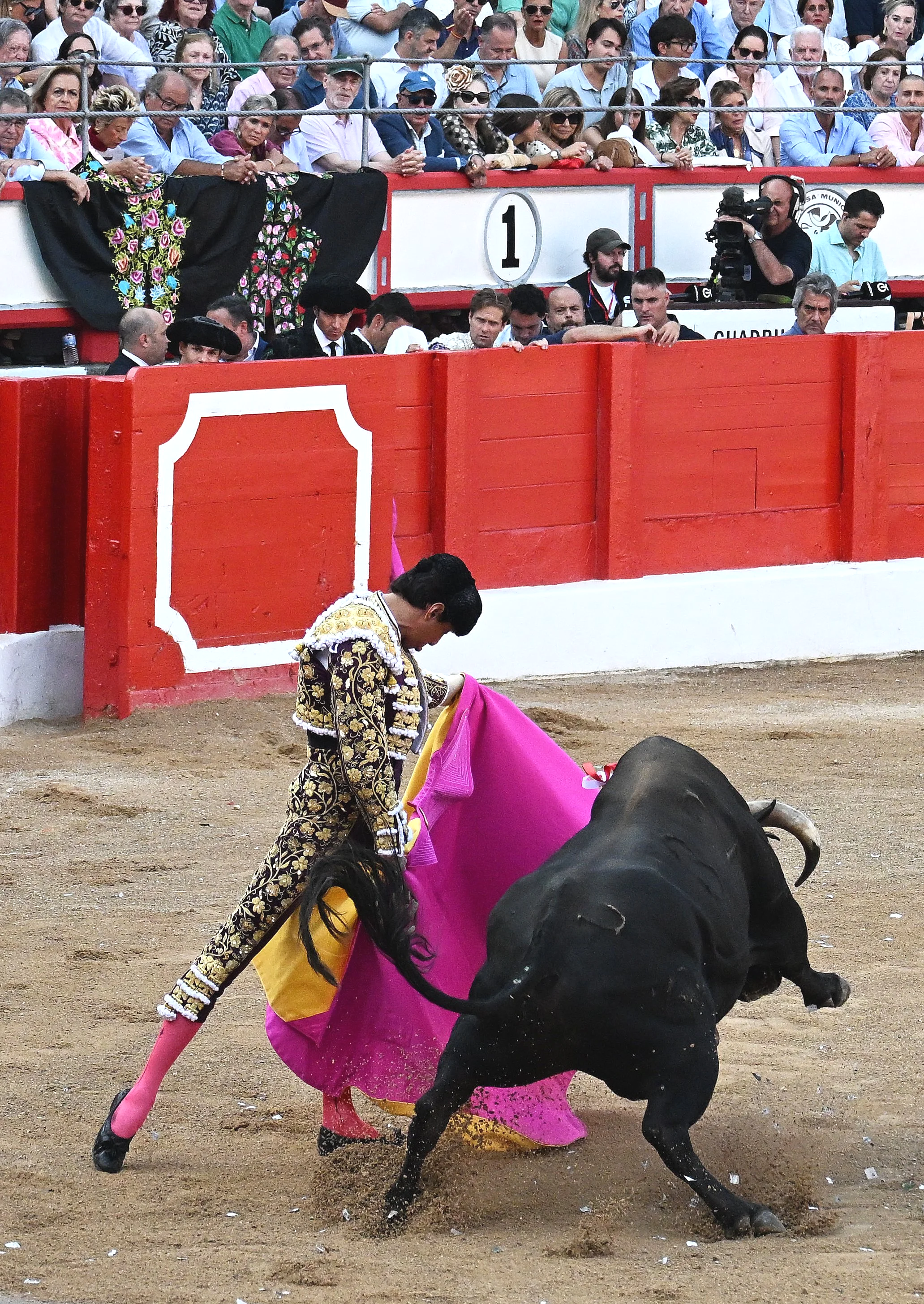
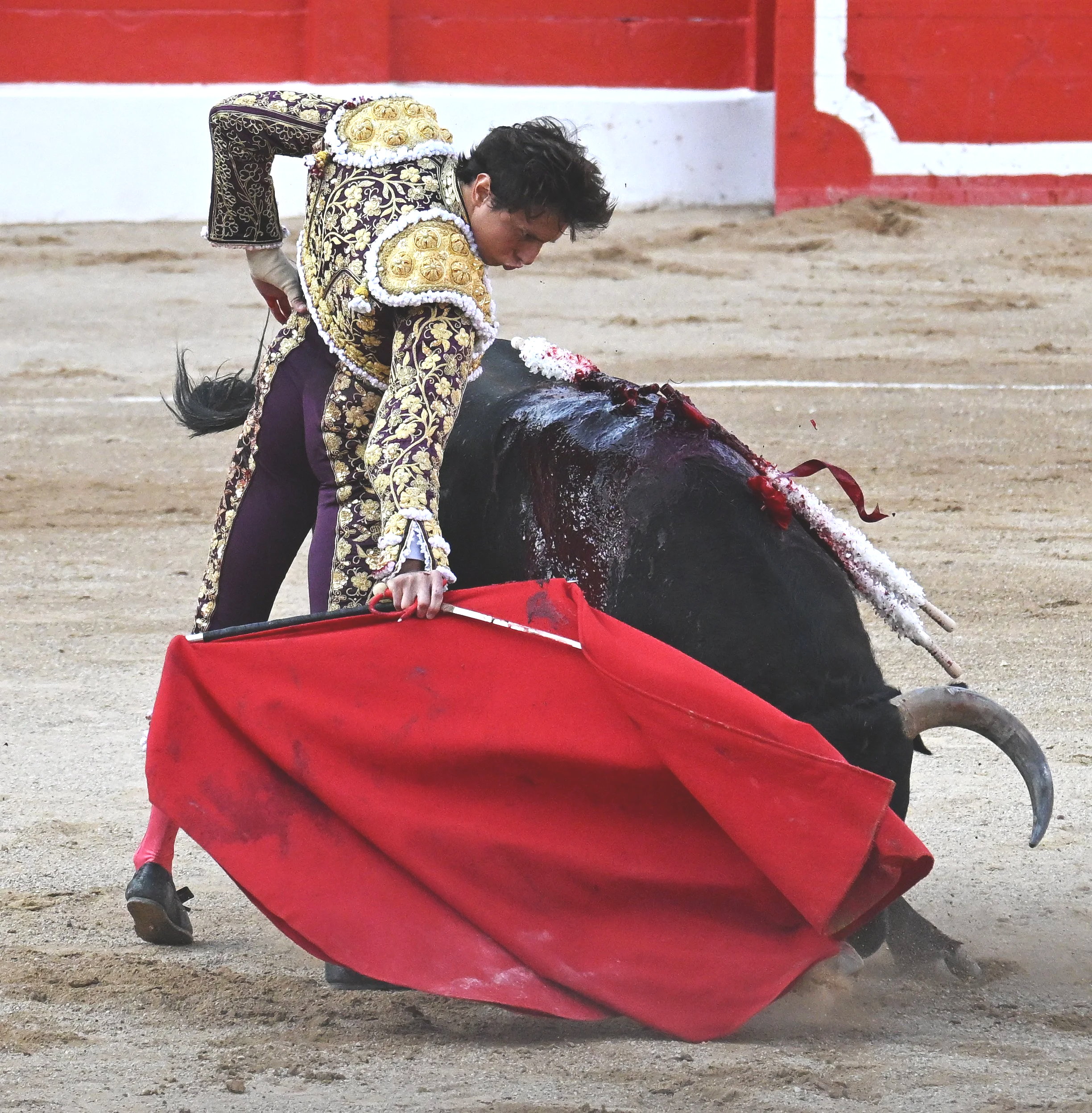
Now aged 30, Andrés is displaying maturity in the bullring while maintaining a determination to do well and a willingness to take risks. His consistency has been notable too - in what has probably been his most impressive temporada to date, only 38 of the 115 bulls he has faced were taken out of the plaza with both ears still attached. In addition to his toreo, the coverage of his personal life in la prensa rosa (the end of his relationship with Francisco Rivera Ordóñez’s daughter Tana has recently been announced) has doubtless contributed to public interest in seeing him in action in the ring.
Alejandro Talavante
With fewer ears (76) and no tails cut, Alejandro Talavante - with four fewer corridas in 2026 - still had a broadly successful season. He began Madrid’s Feria de San Isidro in the same way as he’d done in 2025, by leaving through the Puerta Grande on the feria’s opening day. Other significant triumphs occurred at Olivenza, Arles, Talavera de la Reina, Nîmes, Sanlúcar de Barrameda, Marbella, Alicante, León, Estepona, El Puerto de Santa María, Palma de Mallorca, Almería, Palencia and Murcia. Although there were gaps in his normal success rate in March and at a couple of points in the summer, his creativity with both capote and muleta and an increasing concentration on temple make him an attractive torero to watch despite this being his 20th year as a matador de toros.
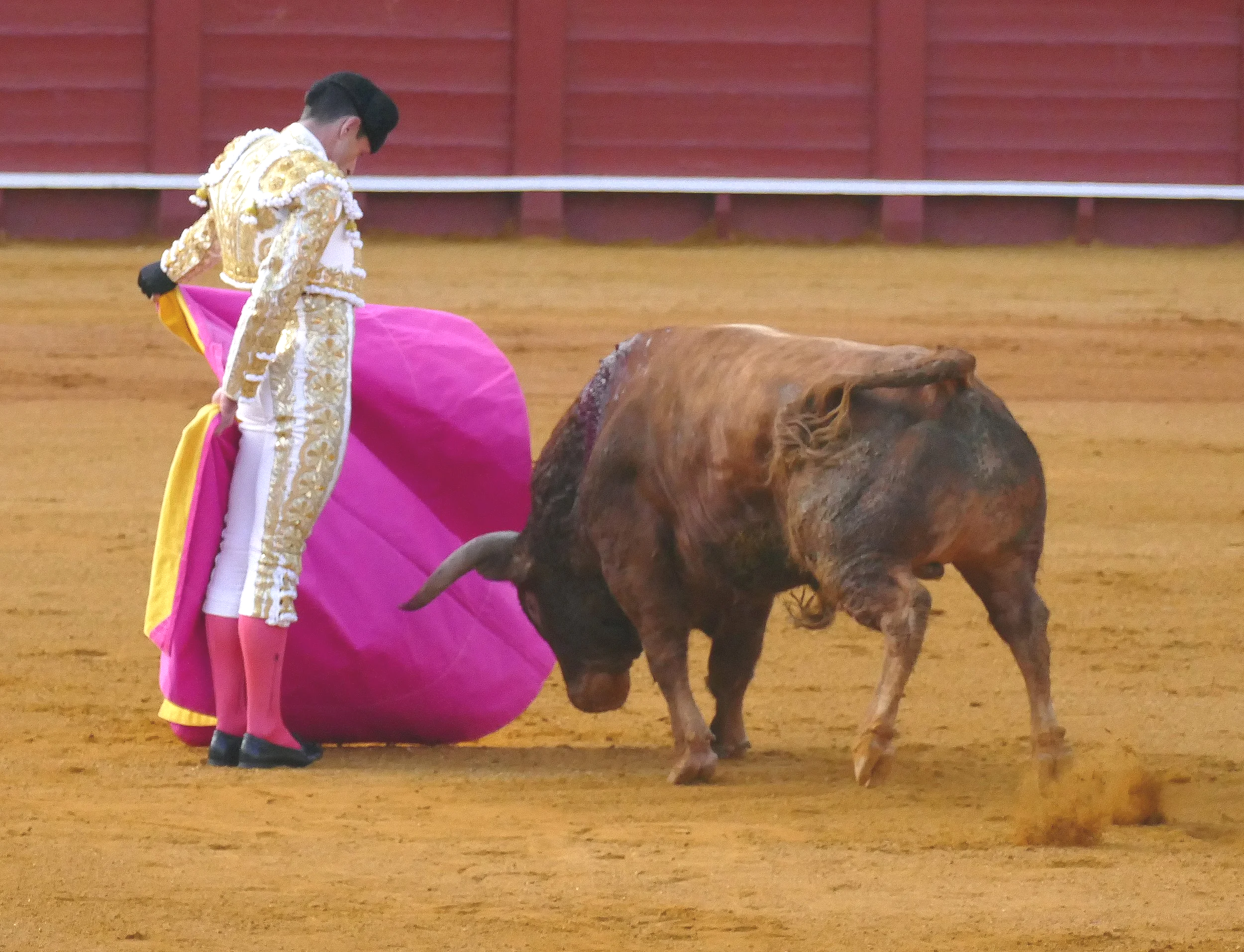
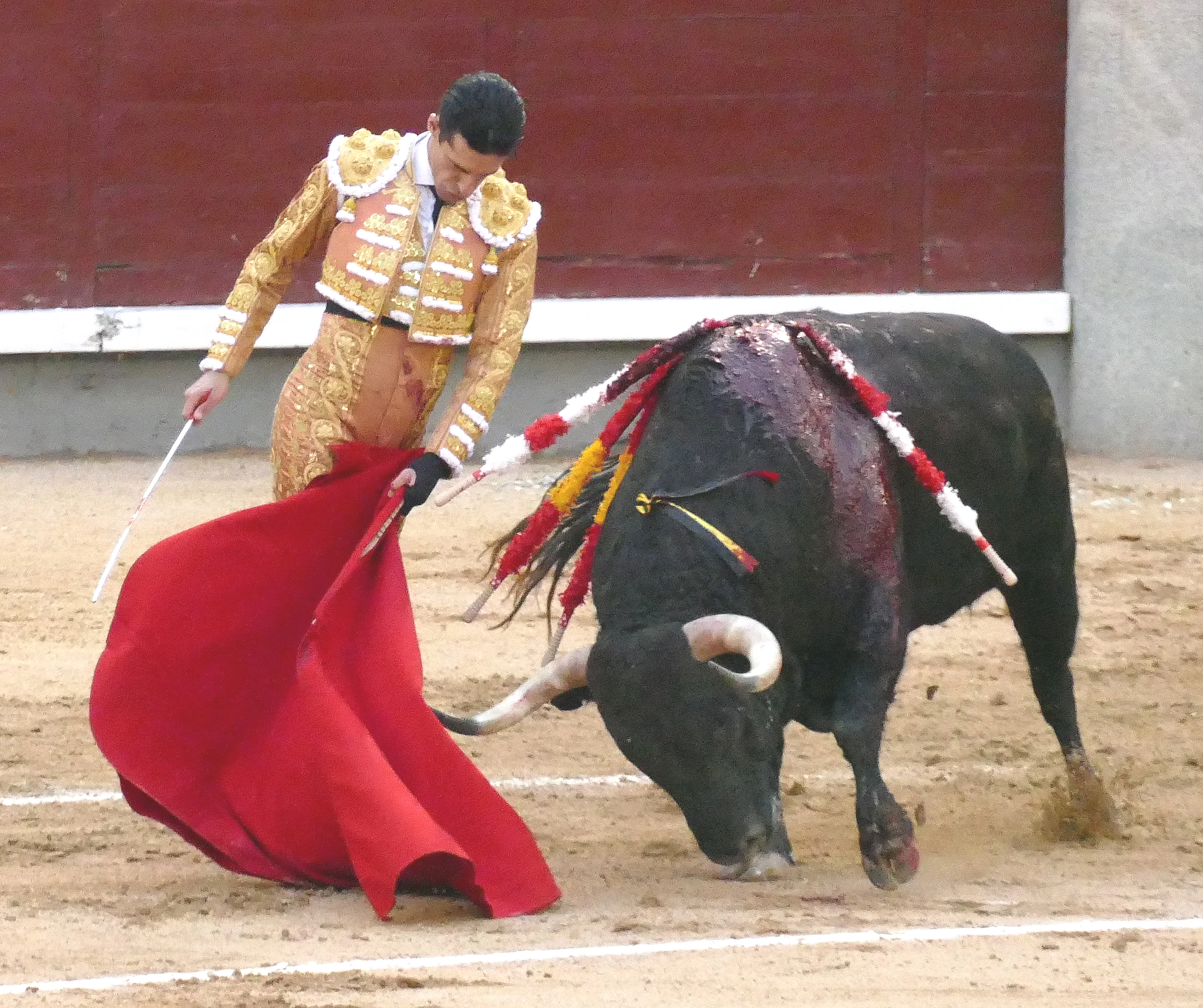
Ironically, his biggest setback of the year came after the season had all but ended, in a festival in La Maestranza, when he cut two ears from his novillo but incurred a cornada grave in his right leg whilst killing.
The extremeño is also tasting increasing success as a ganadero. His bulls appeared in five novilladas con picadores in 2026 and contributed to successful afternoons on all but one occasion. There are rumours his animals (a mix of Núñez del Cuvillo and Garcigrande stock) will appear twice in Sevilla’s 2027 temporada.
Increasing popularity of los toros
2026 saw another year of growing interest in los toros. Sevilla and Madrid both saw significant increases in attendances, including a sell-out of abonos for the latter’s Feria de Otoño. But the growth in popularity wasn’t just a phenomenon in the major plazas. According to mundotoro.com, despite increasing attempts to frustrate festejos from happening (see my article ‘More on tribunal tribulations’), there were 52 more festejos mayores (i.e. anything above novilladas sin picadores) held in Spain this year than in 2025 and 10 new locations in comparison with the previous season.
The greater presence of bullfighting on Spain’s free TV channels has undoubtedly contributed to this growing interest, while the increasing numbers of young spectators are probably in part due to the conservative empresas’ gradually opening doors to younger matadors. It’s unlikely they will be able to rely on Morante de la Puebla and Alejandro Talavante - perhaps even Andrés Roca Rey - to pull that cart much longer, so investment in, and promotion of, the new valores is essential in order to ensure bullfighting continues to thrive in the future.