Concerns for bulls in the initial ferias
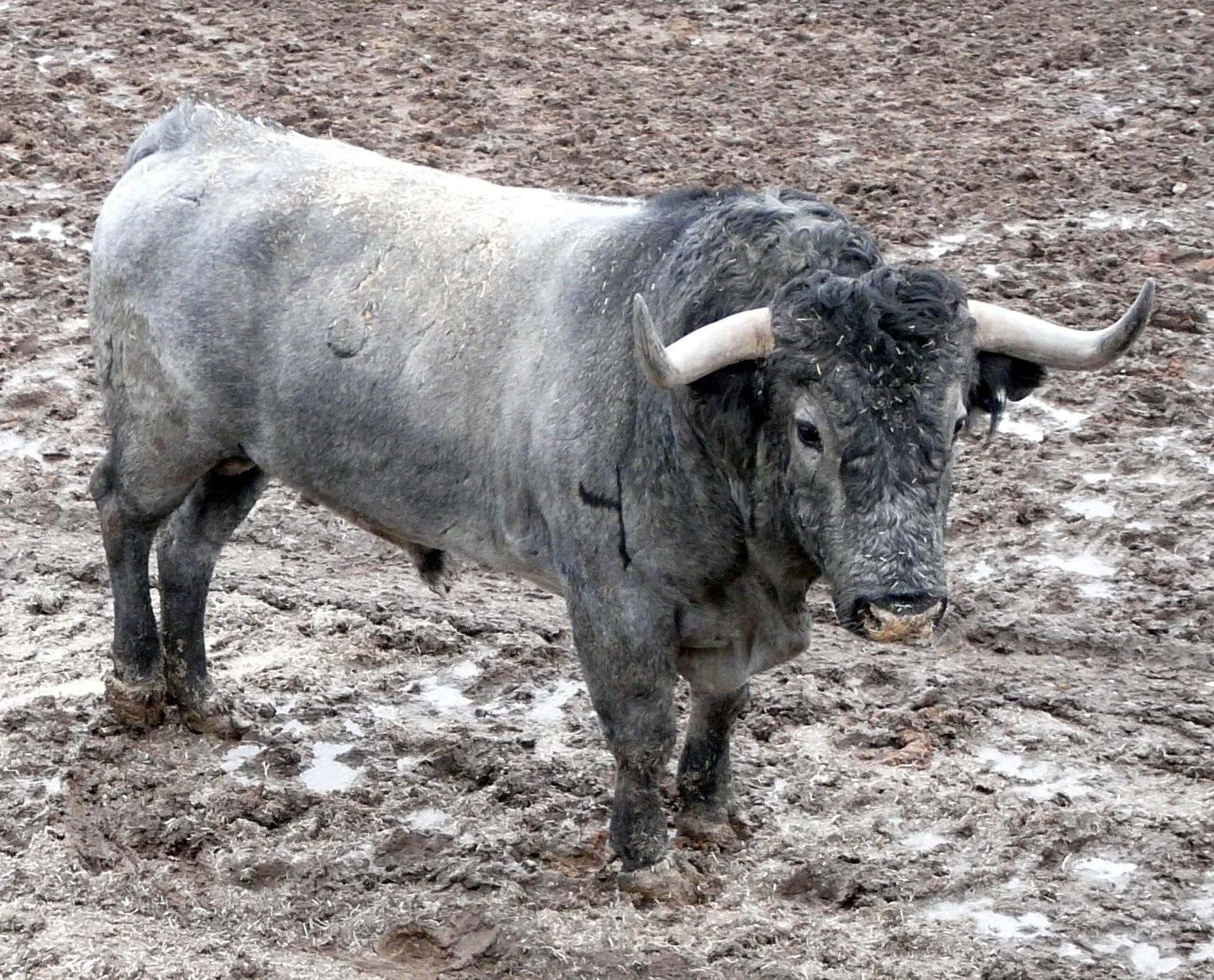
A number of ganaderos have voiced concerns about the effect of Spain’s rainy winter on their ability to prepare bulls satisfactorily for the initial corridas of the 2026 temporada.
January and February have seen bad weather across the whole country. Andalucía, for example, has suffered three months of frequent, heavy rain. Recently, along the Ruta del Toro, Grazalema experienced a rainfall of 600 litres in 36 hours, while, In other municipalities along the route, there were accumulations of between 195 and 390 litres in just a few hours, with fields becoming swamps and later seas of mud.
‘It’s been very hard for us to get the bulls in shape with the weather we’ve been having,” Pilar Prado, the ganadera of Torrealta has commented. “Often, the public, presidents and veterinarians don’t understand that the bulls need certain conditions to eat, to stay calm, to be able for them to be prepared and moved.”
Joaquín Núñez, of Núñez del Cuvillo, adds, “This weather does not help at all when it comes to preparing bullfights. Fortunately, due to the type of terrain and the area we are in , we are not suffering major consequences. But if you put yourself in the shoes of farms that do not have as much land and are struggling a lot with the rain... it’s a serious problem.”
The difficulties aren’t limited to Andalucía. Rafael Finat of Conde de Mayalde, whose ranches are in Toledo province, has said, “The weather for the bulls has been bad. It affects them a lot. They don’t lie down, they don’t eat well, they’re in the mud all day… that can influence their strength. In the end, we also can’t move them. Everywhere’s slippery and they could break a leg or get hurt. Until the ground dries out a bit, we can’t move them, which makes it harder to prepare them for their respective commitments.”
At a time when many ganaderos are wanting their animals to put on weight in readiness for the coming season, if feed becomes wet, bulls will often opt not to eat it. When puddles abound, bulls will often prefer to drink from these rather than from troughs, which can be problematic as puddles can contain urine and faeces and be sanitary hazards.
With the bulls almost immobile for long periods, remaining sunk in the mud which softens their hooves, the ganaderos are also concerned about the effects of the prolonged exposure to moisture, particularly the appearance on the hooves of the bacterium Fusobacterium necrophorum. This is an anaerobic pathogen that acts as a primary or secondary causal agent in hoof infections, commonly known as foot rot. The bacteria penetrates the skin between the hooves through small wounds caused by stones, dry mud, or constant moisture that softens the tissue, and causes a painful infection that leads to acute lameness, foot inflammation, fever, and necrosis.
There are similar worries in Salamanca province, which has seen significant flooding. Pedro Gutiérrez Lorenzo at the El Capea ganadería states, “We have sought out the highest enclosures so that the bulls could lie down and be more relaxed, but the preparation has been challenging.” Juan Ignacio Pérez-Tabernero, of Montalvo, has said it’s been “absolutely impossible” to get bulls in shape for corridas: “Right now, we have to take care of where the bulls go, make sure that they eat, that they move... With these weather conditions, it’s very difficult to prepare the bulls for the start of this season.”
Because of the effects of the winter’s weather, the veterinarian Julio Fernández has called for patience and understanding from aficionados as the season gets underway, and has said it may take three or four months from the time the storms stop before things return to normal in the bullrings.