Domingo Delgado de la Cámara
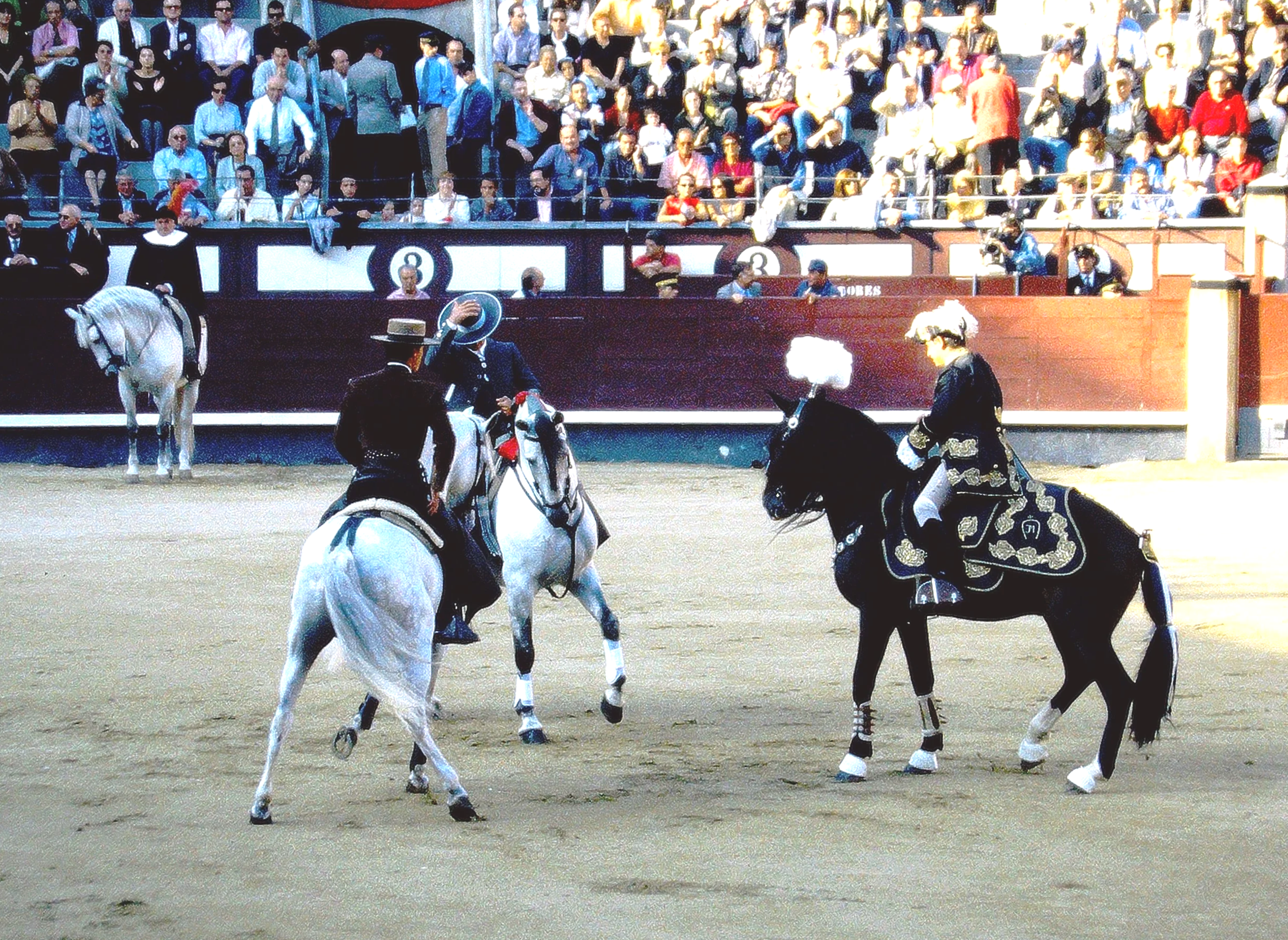
The decrease in corridas de rejones in recent years is very striking. We could say that rejoneo has been the great victim of the last economic crisis that bullfighting has suffered. Twenty years ago, there was no feria without its corrida de rejones. Even in the smallest village there was rejoneo. What has happened so that there are now so few corridas de rejones?
Let's start with the villages. When it was necessary to tighten their belts with the money to be spent on the patron saint fiestas, some wretched town councils began to cut los toros from the festivities. Of course, nothing related to encierros, capeas or popular toromaquia was suppressed. The councillor with responsibility for celebrations saw very clearly that touching those festejos meant confronting the local lads, which can be a huge source of problems. Therefore, the pressure from the young people ensured that these festejos populares were not affected. In many cases, they were even increased.
With respect to la lidia de a pie, the novilladas and corridas de toros, the local peña taurina raised an active defence right from the start. While having a more temperate mood than that of the young men, peña members are usually people with strong opinions, so the councillor responsible for the fiesta celebrations was also clear that it was not convenient to have problems with them either. It has been possible to suppress some specific novilladas, but in general, where there is true afición, formal festejos a pie have continued to be held.
However, rejoneo did not have any defenders. And the councillor for celebrations saw very clearly that this event could be suppressed without problems. What's more, young men and aficionados gladly gave up the corrida de rejones, as long as they could keep what they wanted to retain. So the councillor for celebrations suppressed it. The fact is that many people liked the rejones, for example, many grandmothers. But they do not organize themselves and are not going to put pressure on the local council, so the bullfighting celebration that they liked the most was taken away.
With respect to the important ferias, those held in provincial capitals, for many years the corrida de rejones was the most profitable. The full house was assured because it was fashionable to have a couple of abonos and the number of subscribers at the main ferias was very high. In addition, the rejoneadores were perfectly interchangeable, and, if someone had the audacity to ask for a little money, the empresa would get somebody cheaper. People went to see the rejoneo, and the rejoneadores themselves didn't really matter. Normally, the owner of the abono did not go to see the rejoneo - it was an imposition by the empresa, accepted by the abonado for fear of losing the abono. So the abonado did not go, but gave the ticket to his cousin Mari Pili or to the doorkeeper of the building where he lived. And those who received the gift were delighted to see "the little horses".
The bad thing is that abonos tanked with the 2008 crisis. When things get serious and there is no money in their wallets, people choose to reduce superfluous expenses. So they stopped taking out abonos. The big banks, many companies, many corporations, also had thousands of abonos to entertain workers and customers with tickets. And these season tickets also stopped being purchased. The big ferias (except those of Madrid and Pamplona) saw how they were emptied of abonados. From that moment on, people only bought tickets for one-off corridas and with very determined line-ups. Suddenly, the corrida de rejones stopped bringing together the public that it used to. Amongst the naïve and circumstantial bullfighting publics, the corrida de rejones was the most naïve and circumstantial of all. In other words, Mari Pili was delighted to go to the rejones when her cousin gave her the ticket, but, when she had to pay for it, she said, “No way!” And so it was that the rejoneadores reduced their presence to the minimum expression in the ferias of the first class plazas and directly disappeared from many of the ferias in the provincial capitals.
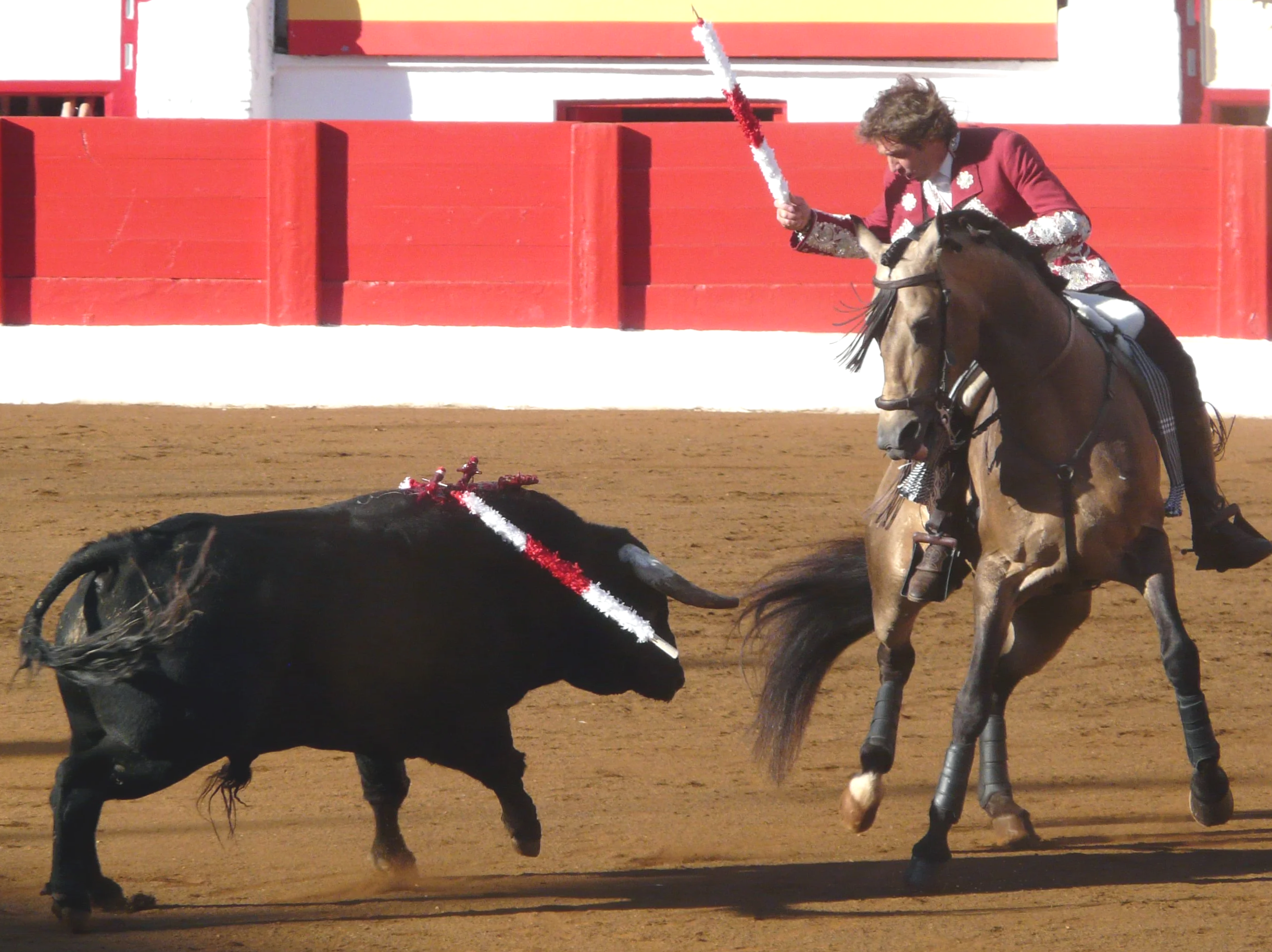
Two experts at rejoneo - Pablo Hermoso de Mendoza (above), now retired, and (below) Diego Ventura
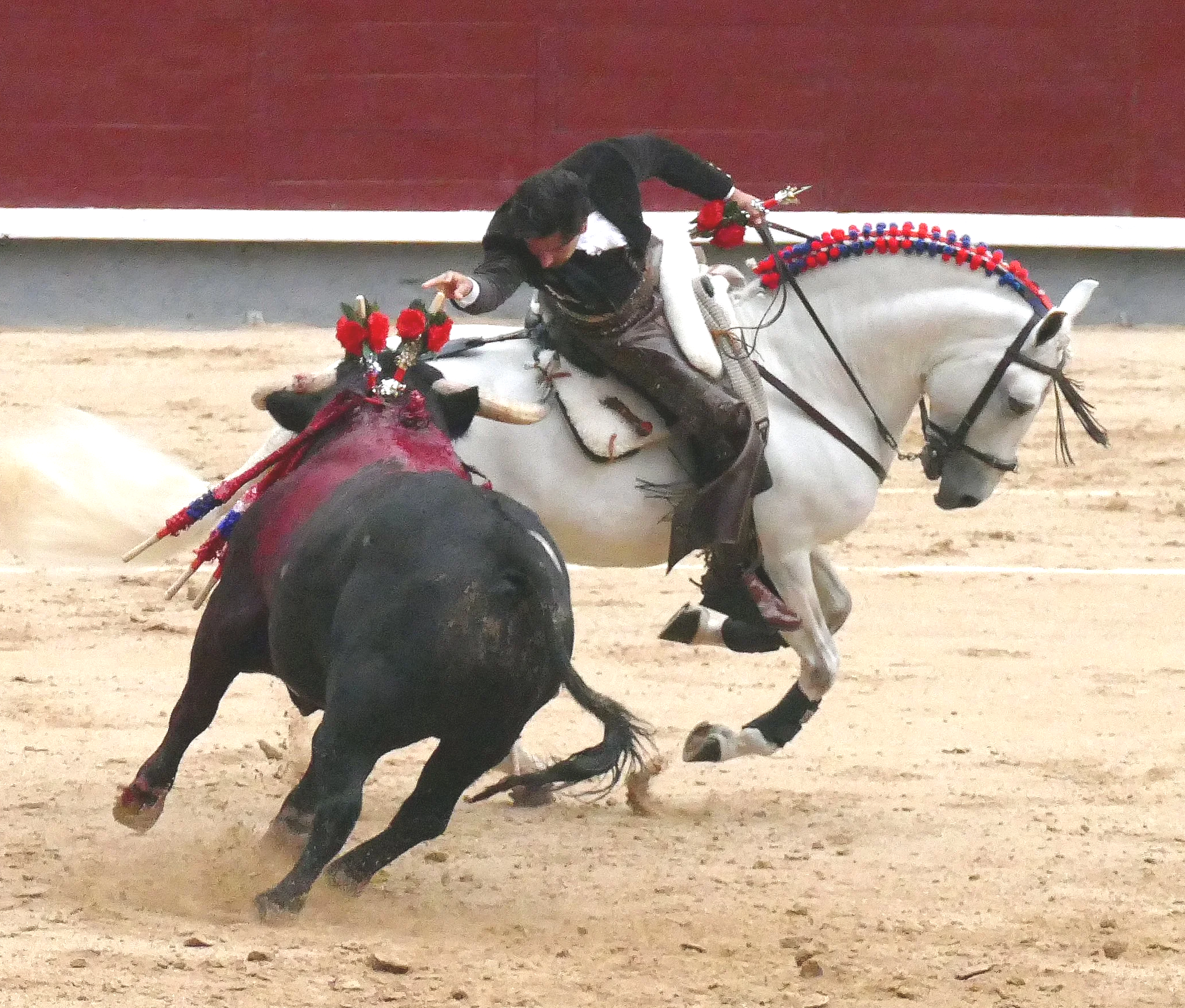
Apart from the economic issue, there are also other reasons that have contributed to the decrease in corridas de rejones. Now we have to talk about Pablo Hermoso de Mendoza and Diego Ventura. Their animosity and not appearing together in the same festejo has done a lot of damage to rejoneo. I won’t go into who has been responsible for this unusual situation. But, if they had fought together, rejoneo could have lived a Golden Age that hasn’t happened. Another thing also took place, and that is that the aforementioned rejoneadores were so good that, if one of them was not on the cartel, people did not even bother to come. For the first time in Spain, there has been a hierarchy in the profession of rejoneo. And this circumstance, in principle a good thing, has had an obvious consequence: either Pablo is there, or Diego is there. And if neither of them is there, the cartel is uninteresting, whereas, 20 years ago, any cartel of rejoneadores was enough to fill the plaza.
Finally, it should be noted that the Spanish corrida de rejones has become very boring. I remember that, a few years ago, I began to praise the perfection of the current rejoneo in the presence of Rafael Peralta. He calmly let me finish, and then he said, “Yes, but now they torear some very select bulls of the Murube bloodline that charge very smoothly, while we performed with the worst sobreros left in each plaza. Nowadays, they make sure the bulls are well shaved, while ours had practically nothing removed from their horns. The bulls of today come out already showing temple, while ours would give you some bursts of speed that could take you out of the ring.”
And he was right. The current bull of rejoneo is too shaved. It is one thing to trim it and another to amputate half a horn, as happens now. This takes away a lot of emotion. The Murube bloodline has an indisputable class, but often it is too bland and too easy. Two rejones de castigo, that are two whaler's harpoons, halt the bull from very early on. And a motionless bull leads to boredom, much more so if the rejoneador is mediocre. The corrida de rejones must be thoroughly reviewed. The bull has to be more offensive, receive less punishment and have more mobility. Because the spectacle should be anything but predictable and boring. And with all that, the rejones will have a very difficult time going back to achieving the abundance of 30 years ago, because the economic situation is appalling, with huge collapses. And in this context, it’s a miracle that people continue to go to the bullrings.
[This is a translation of an article published on the website onetoro.tv titled ‘La crisis de la corrida de rejones’. – TW]