Gonzalo Gómez-Guadalupe
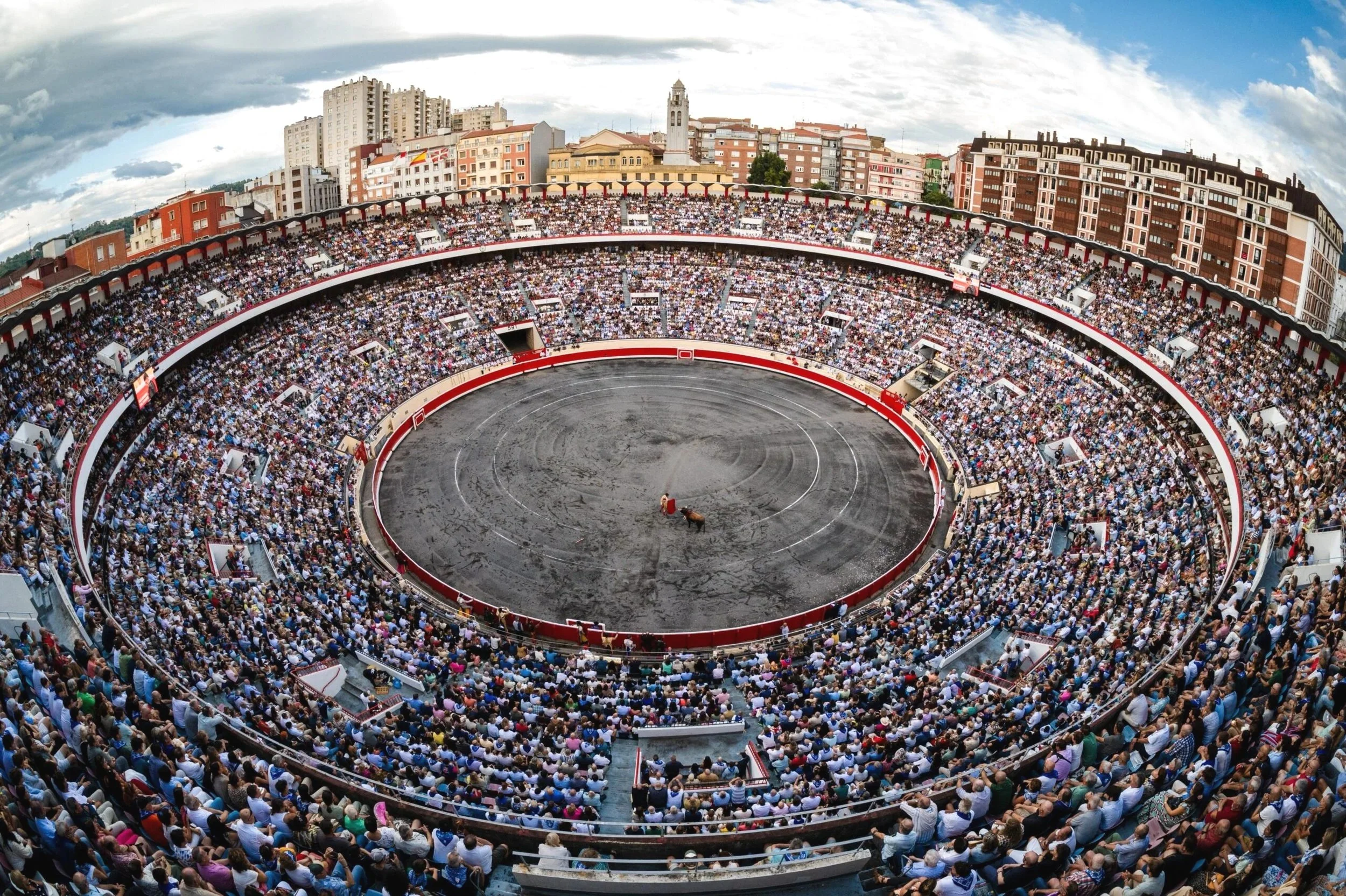
A lovely sight - Bilbao’s full house on August 27 (Image BMF Toros)
The 2026 Bilbao Corridas Generales have suddenly brought us back to that crude, unappealing and taurinísima reality that the cátedra and the botxo know so well: to maintain the level after an abono for the annals of history, as was the fantastic one of 2025, is an almost utopian undertaking for the empresa when the raw material – the truly serious bull, whole, fully formed, and with transmission — decides to ease up and leave excitement halfway in the chiqueros.
Bilbao’s feria has not been - far from it - a trivial series of corridas or devoid of bullfighting crumbs, but it’s involved a cumbersome and rough digestion. The ganadería payroll fell short with a disconcerting inequality, displaying at various points that lack of fuel, spirit and vibration that, on the black sand of Vista Alegre, are elements that should be taken for granted. However, amongst so much laundered nobility, so many trivial appearances and so much suspicious trapío, sparks of pure casta did emerge, epic ardours of toreo a cuerpo limpio and faenas that force us to recognize that, in Vista Alegre, afternoons of undoubted merit and importance were lived.
The start of the abono was a faithful reflection of that first-hour coldness, that unpleasant atmosphere that takes time to warm up. Romao Tenorio's shipment of bulls was consumed like a candle in the gloom of the afternoon, leaving Sergio Galán and Lea Vicens with nothing to speak of in front of the descastados and warn-out animals, the day saved only by a Guillermo Hermoso de Mendoza who claimed a trophy with the only passable bull of the corrida.
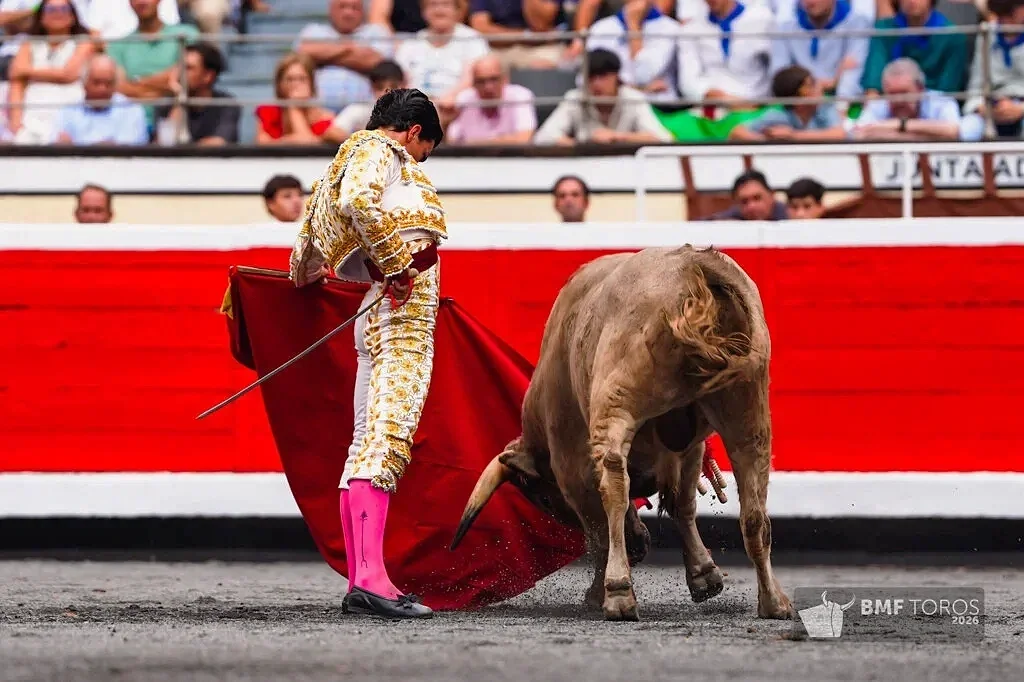
Manuel León was the 2026 winner of Bilbao’s annual sin picadores competition (Image BMF Toros)
The Iván Fandiño Memorial, that sacred and living nursery that Bilbao has the moral obligation to shield and look after with care, brought a certain temperature back to the feria with the emblematic walk of the novilleros from the Hotel Ercilla to the plaza and the undeniably convincing nature of Manuel León. The novillero was fully formed, settled and firm with his left hand, and became the worthy triunfador after getting through to the final and cutting both ears that morning with the attitude of someone crying out for passage into the ranks of novilleros con picadores.
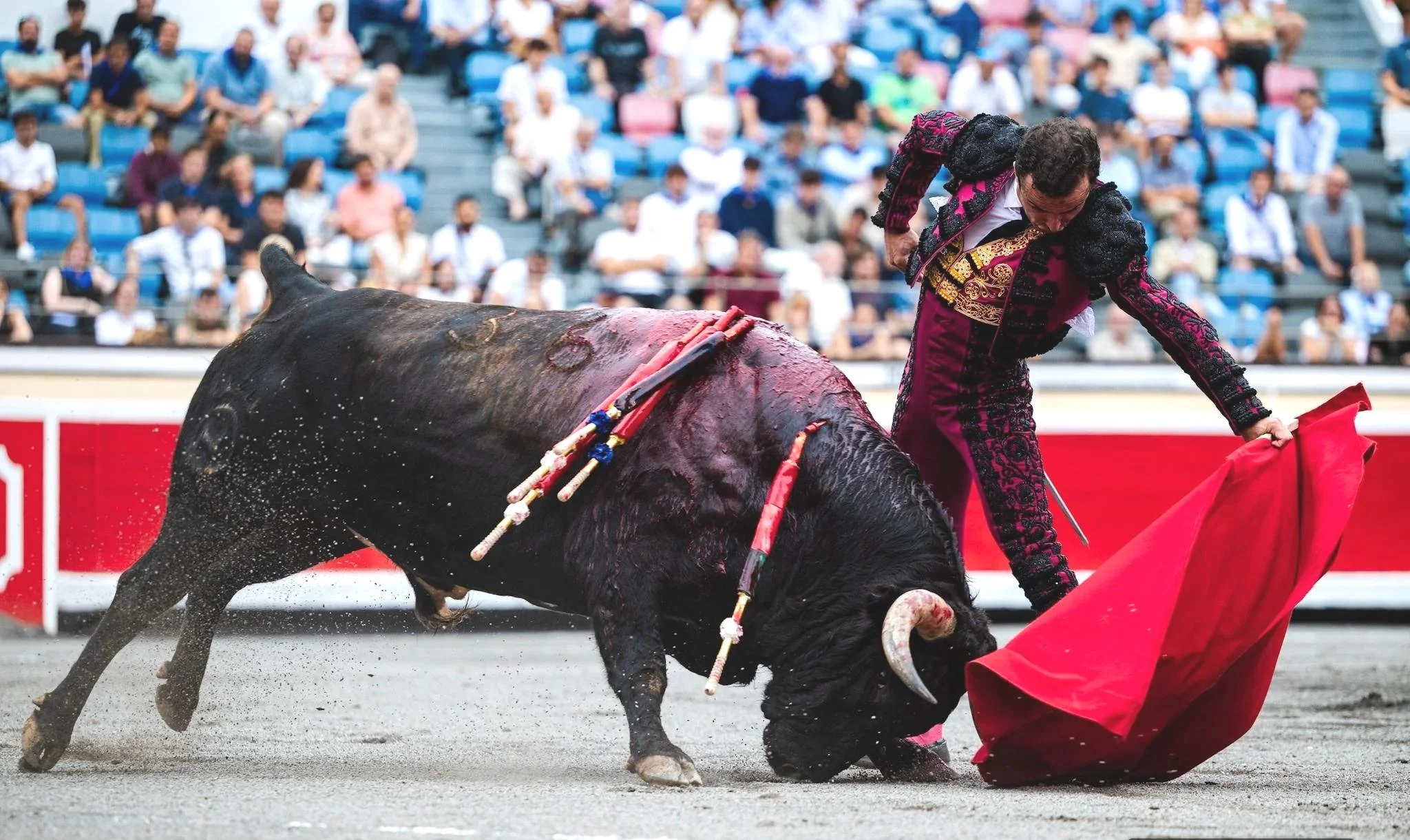
Damian Castaño impressed with his commitment on the Dolores Aguirre afternoon (Image BMF Toros)
Then, to remind us exactly of where we were and the plaza we were inhabiting, out came casta. Dolores Aguirre did not bring a completely rounded encierro, but the ganadería did release in the ring the most precious and sought-after asset here in the north - emotion. Bulls that had a touch of the manso encastado, difficult, rough and without the slightest concession toward easy triumphs. And so the indomitable figure of Damián Castaño emerged to withstand, with truth and firmness, the temperamental onslaughts of his first enemigo, taking a clamorous vuelta al ruedo, and then standing up to the violent ferocity of the sixth bull, ‘Cigarrero’, stealing muletazos with real guts where there was absolutely nothing, all of it ending in anger to the palco for not conceding the ear the spectators requested.
The corrida of La Quinta, on the other hand, offered the other side of the coin: manageable nobility, but transmission in dribs and drabs, where only Román won a trophy with his understanding of timing and heights, while Emilio de Justo’s reputation came up against a lote descastado, and Tomás Rufo was too mechanical and restricted.
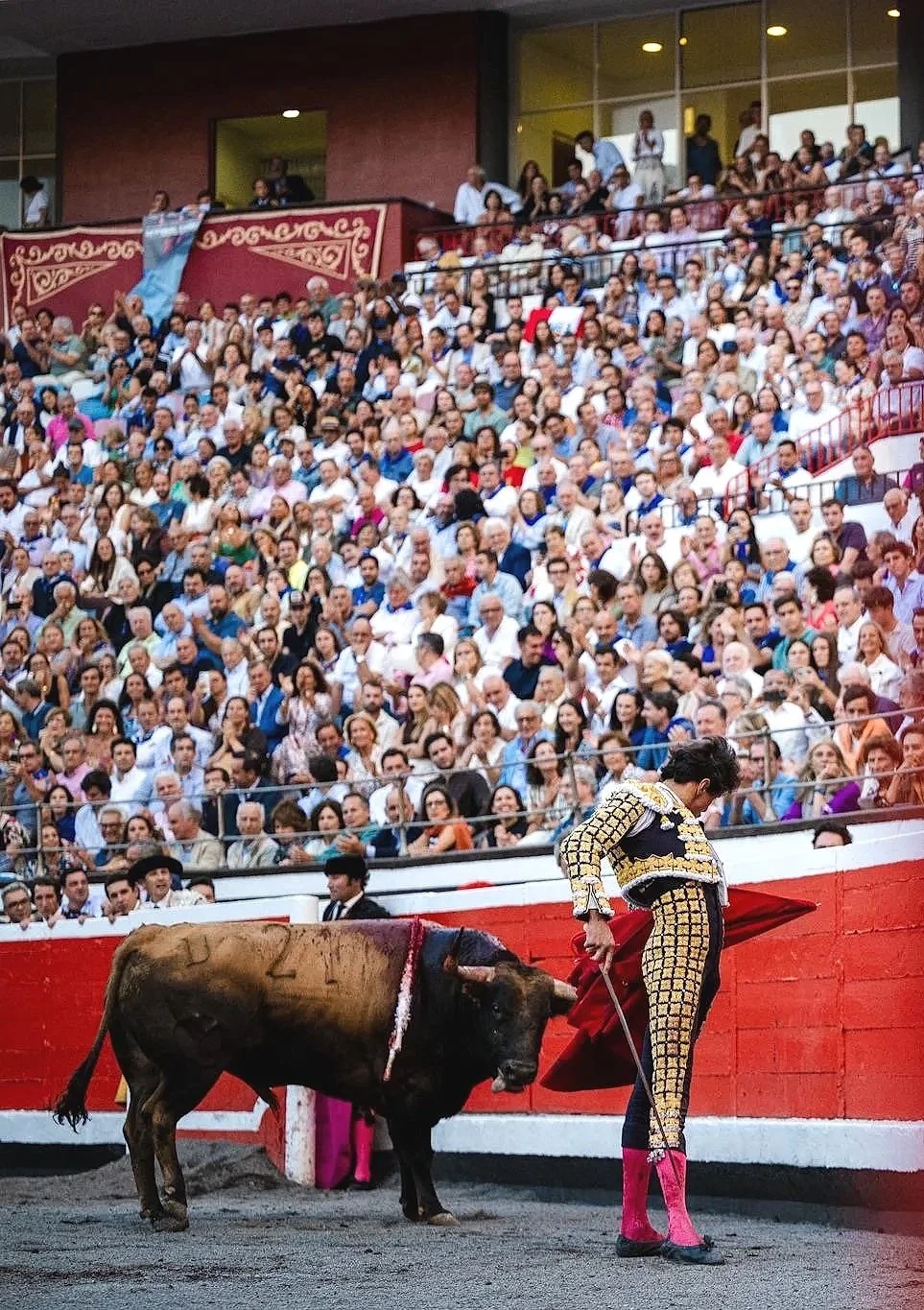
Roca Rey showed his crowd-pulling power once again in Bilbao (Image BMF Toros)
Then came the appointment marked in red, August 27, the Day of Resurrection at the Vista Alegre box office. After 15 years, the tendidos of the Bilbao bullring experienced once more the historic and longed-for announcement of "No hay billetes". With the Aste Nagusia on the boil in the vicinity and the city engrossed in its feria, Andrés Roca Rey acted as a huge and imposing taurine magnet. Victoriano del Río's encierro was a real blur – insufficient in presentation, lacking in raza and without the presence this arena requires – but the Peruvian diestro turned the floor of the bullring into a volcano about to explode. Despite the hurricane wind that bothered the lure, he dominated the third bull in a terrain of maximum tension and proximity to cut an ear before unleashing the apotheosis in the sixth with an explosion of pure epic and emotion: throwing himself to kill without a muleta, exposed a cuerpo limpio. A gesture of authentic heroism that set Bilbao on fire. On that same afternoon, Diego Urdiales produced toreo with perfume and Riojan sediment by extracting oil from where there was only dry sand, while Talavante tiptoed past without leaving a notch in his passage through the abono.
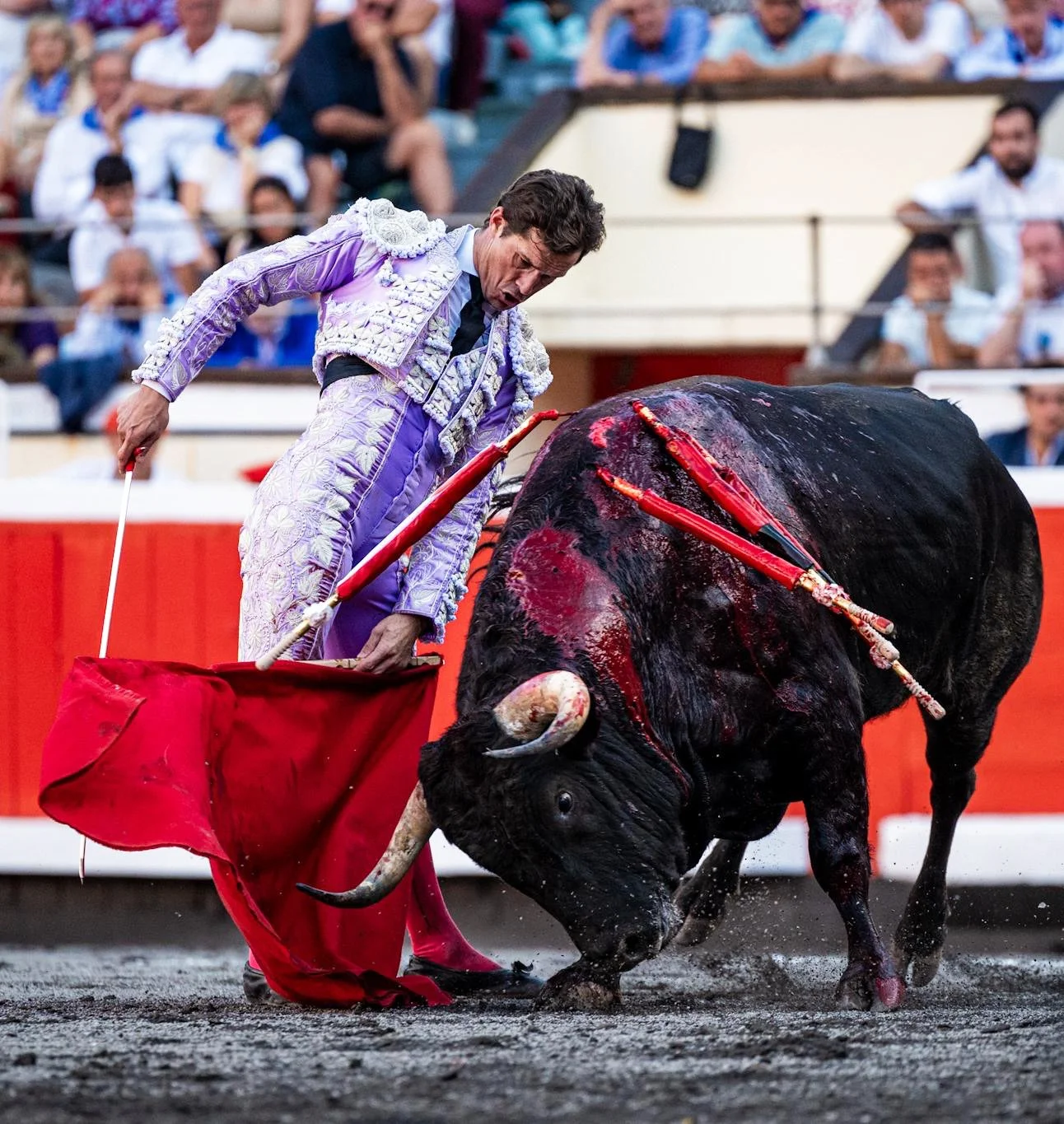
Daniel Luque won the Club Taurino de Bilbao’s prize for the feria’s best faena (Image BMF Toros)
The final stretch of the abono contained the keys of greater artistic entity. Daniel Luque gave a lesson in impeccable technique in the Garcigrande corrida. He deciphered the querencia of a mobile manso, gathered the animal with mastery, and cited its charge to invent a faena in terrain where there was seemingly only escape, before rounding off his afternoon with the supreme temple that earned him the ear of the fifth. The firm positioning of David de Miranda stood out in a special way. He displayed a serene courage and a hair-raising stillness against a noble specimen of Domingo Hernández, remaining impassive at the site where gorings occur. For his part, Marco Pérez showed the self-confidence and unapologetic precocity of someone who stood up to the sixth bull with the ease of those called to the highest peaks, while, during the closing corrida of the feria, Morante gave a memorable series of naturales to his first bull of an absolute cadence, aroma and abandonment, while Borja Jiménez did not finish adapting or finding the right place in which to deal with the hard complications of a demanding lote.
The feria’s final balance, therefore, requires departing from window-dressing triumphalism, rejecting complacency and looking at the horizon with absolute rigour. Bilbao has shown that it maintains the power of large assembly and its ability to roar when the incentives are precisely aligned, but Vista Alegre cannot, and should not, condition its existence to the heroic presence of a single figura, nor to the roulette of an isolated cartel on the calendar. To recover the splendour of yesteryear, the junta and the empresa must return inevitably to the cornerstone of this bullring: the severe demand of the bull. A serious bull, well-presented, strong, encastado, integral, and with that emotion capable of giving real dimension and drops of truth to the efforts of the toreros. The feria has left memorable sights in the aficionado’s retina, and the path for the colossus of the north to roar once again with fullness is still engraved in fire in the ashen sand of Vista Alegre.
[This is a translation of a summary of Bilbao’s feria first published by tendido.digital under the title ‘Bilbao, del esplendor a la resistencia’. - TW]