Neither a trinity, nor an inheritance: the "art" lie that equates Morante, Ortega and Aguado
Marco Antonio Hierro
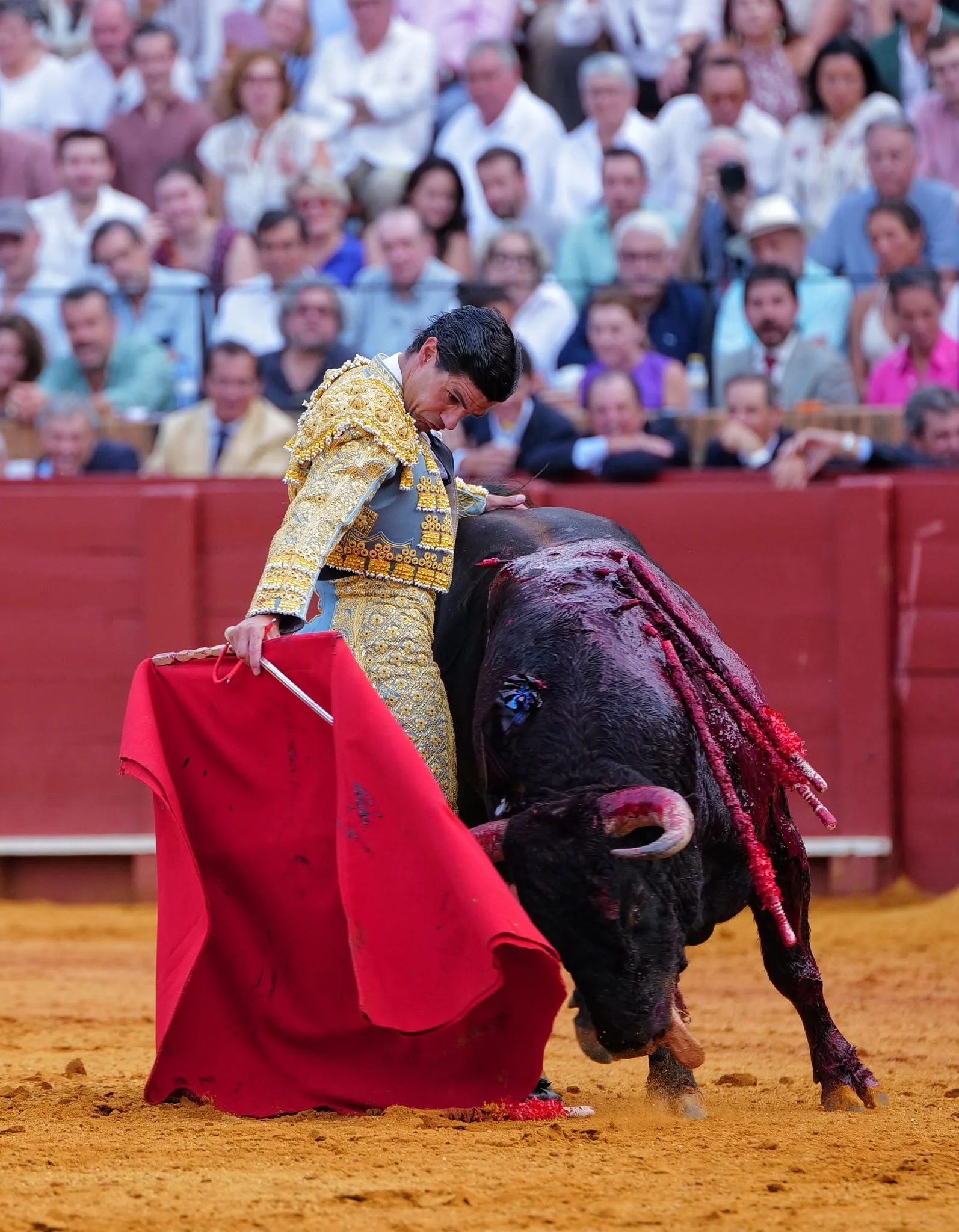
Pablo Aguado’s San Miguel performance in Sevilla, which prompted this article (Image from lancesmaestranza.com)
There’s an analytical vice that is as widespread as it is lazy in contemporary bullfighting criticism: the need to catalogue on the same shelf everything that gives off the aroma of art. Under the generic and simplistic term of "toreros de arte" – or the even more undocumented accusation of cataloguing Juan Ortega and Pablo Aguado as appendages or imitators of Morante de la Puebla – public opinion has put in the same bag three bullfighting philosophies that not only do not resemble each other, but represent three absolutely antagonistic aesthetic and spiritual districts.
To see things in this way is to ignore the history of Sevilla itself. Because, in the bullrings, there is not a single version of beauty: Morante, Ortega and Aguado embody three diametrically opposed schools of bullfighting. And they look alike as much as... an egg and a chestnut.
Morante de la Puebla: Volcanic creativity and the torn cry
Morante is not an aesthetic; he’s a trance. In the matador from La Puebla del Río there is no contemplative calm or search for static balance: there is an unbridled and dazzling creativity that needs to emerge by clawing. Morante is the supreme great figure put at the service of the most sincere and scattered expression, that of an artist who seems to be fighting under a pressing inner need. That’s why he doesn’t help animals: either he is, or he isn’t. You just have to scratch. José Antonio produces toreo or he doesn't: there are no half measures. That's why, when he tries to torear, it’s tremendously boring.
Whoever sees in Morante only the archaeological evocation of ancient bullfighting does not understand the genesis of his bullfighting. His style is not a mere copy of the past, but the result of hours of rehearsal, study and absorption of all the sources of history to finally crush them in the blender of his own personality. It’s the torn cry of genius that cannot be expressed in any other way. Morante suffers the bull’s onslaught and subdues it with passion; there is a touch of luminous madness, of old drama and pure expressionism in his lances that has nothing to do with composure. Morante's verónica is more similar to the expressionism of Goya's dark paintings, of the ‘Duelo a garrotazos’ (Fight with clubs), than to the ‘Pradera de San Isidro’.
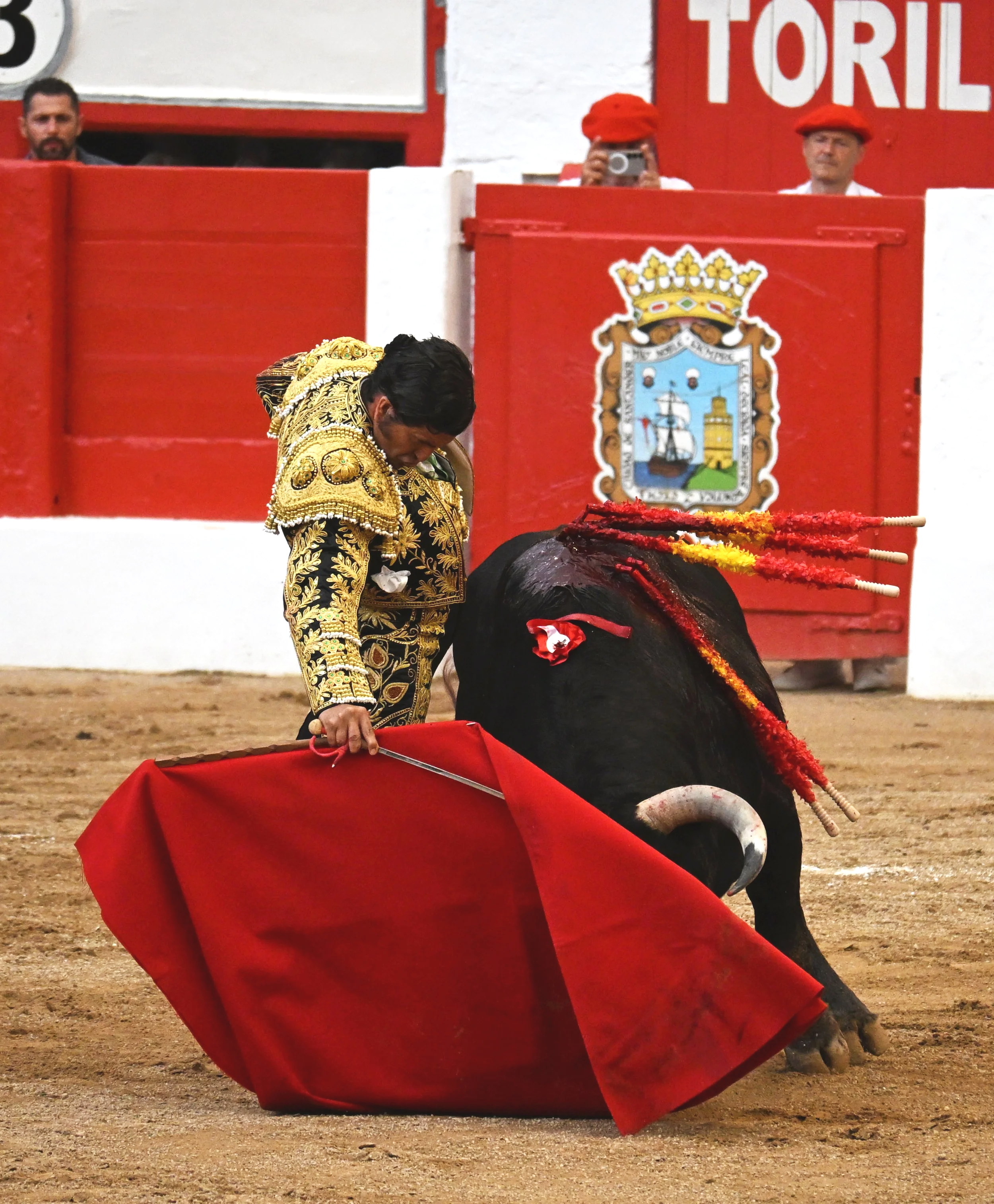
That is why Morante is never simply good; either an historic afternoon for bullfighting results... or there is no one who can stand him. That has happened to many bullfighters called 'artists' throughout history, but this one... this one has achieved regularity in triumphs, which implies being consistent in building historical milestones. And that's why, in the timeline of bullfighting history, Morante is who he is.
Juan Ortega: Triana's purity and the absence of urgency
To accuse Juan Ortega of imitating Morante is to ignore the radical distance that separates expressionism from ascetic classicism. Ortega is the antithesis of the Morantist ecstasy. If in la Puebla everything is a volcanic and furious search, in Ortega there is the total absence of emergencies, purity stripped of artifice and absolute sincerity with his own psyche.
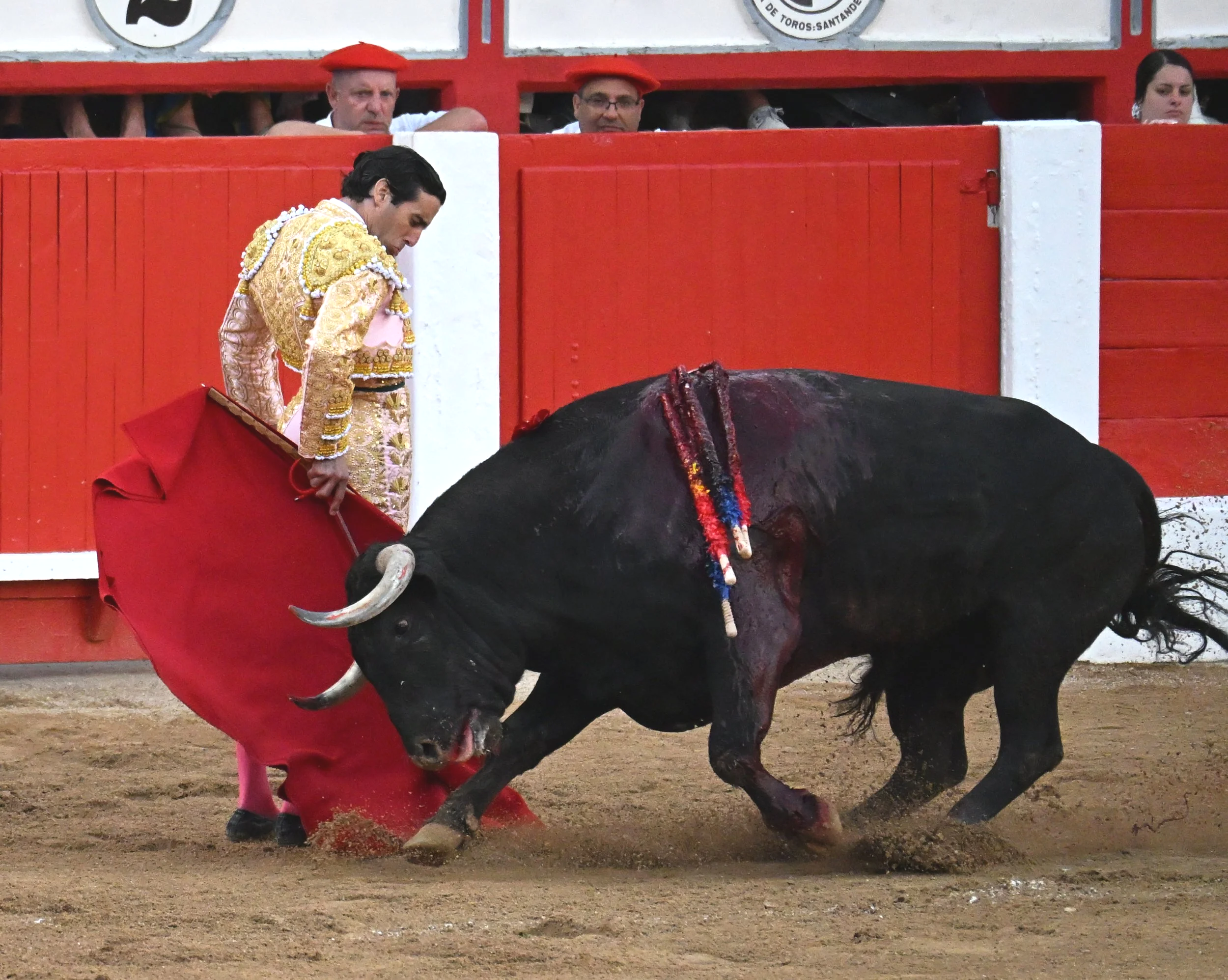
Ortega does not torear to cut ears or to convince the tendidos; bullfighting is his prize. Between what he dreams and what he executes on the sand there is no filter of advantage or theatrical foreshortening, but a process of naturalness where the objective is the lance itself, devoid of perks. It is the embodiment of Triana's bullfighting: the cadence, the sober packaging, the slowness that seems to stop time without the need for stridency. In Ortega, beauty is not imposed; it is revealed.
That is why he is tremendously flat when it comes to showing his emotions when he achieves a triumph, and it may even seem that he is not overly thrilled, but that is not the case. The problem is that, for him, there are many things that happen within a task that elates him much more than a dazzling success. A trinchera, a pase de la firma, a lance that lasts three and a half years... And all this may not be inserted in a triumphant faena, but it is there. It cannot stop being there.
Pablo Aguado: The Sevilla of San Bernardo and absolute relaxation
If Ortega is the sobriety of Triana and Morante the rapture of the La Marisma, Pablo Aguado is the spirit of San Bernardo. Aguado embodies naturalness in its most primitive and refined state: the total absence of tension, muscle tension or forced gesture. In his toreo there is no trace of the Morantist volcano or of Ortega's mystical density; there is pure organic harmony. That is why everything flows, everything seems to contribute to the achievement of the work, to the need for expression; the difference here is that there is much more whispering going on than shouting.
Aguado fights from his relaxed muscles, like someone walking down the street or spending the afternoon in the neighbourhood. He is the direct heir of the Vázquez dynasty, the fold of the cartucho del pescao, the emotion that does not arise from violence or the display of courage, but from plastic beauty devoid of any drama. In Aguado there is no foreshortening or fuss: the hand is lowered with the ease of everyday life and the muletazo flows because the body doesn’t resist the bull's journey.
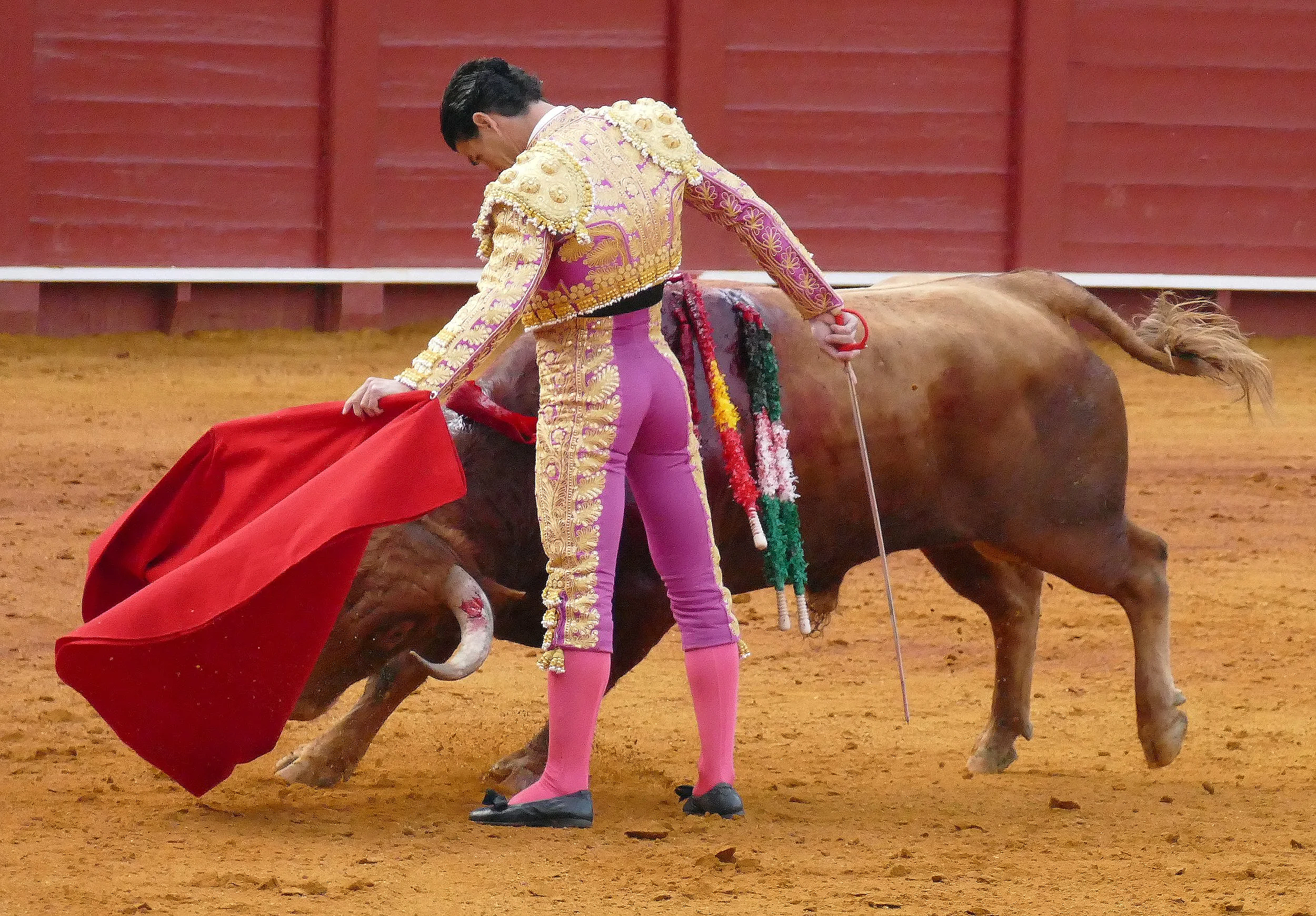
Of course, all this requires a specific charge, a certain bull that does not always come out into the ring. What's more, the rare thing is that it appears or, at least, that it does so in an arena where the focus of toreo is placed that afternoon. And that is why Pablo manages to get Las Ventas to join in the most absolute silence, in the expectation of seeing him torear an animal from Montalvo which he later didn’t cut anything from, although his performance entered the annals of the bullring. So too at Aranjuez, El Puerto, Sevilla... Pablo is an endangered species and it is the responsibility of bullfighting to take care of him as if he were a treasure.
To confuse these three figuras is to remain on the outside of the dressing room or in the compass of the capote. Morante is art as a storm and anguished search; Ortega, as prayer and interior silence; Aguado, as a breeze and a natural walk. Three different ways of understanding life and the sand show that Sevilla does not have a single voice for art, but three irreconcilable schools that have never crossed.
And it is imperative that they never do.
[This is a translation of an opinion piece originally published by cultoro.es. - TW]