Escalafón prospects post San Isidro
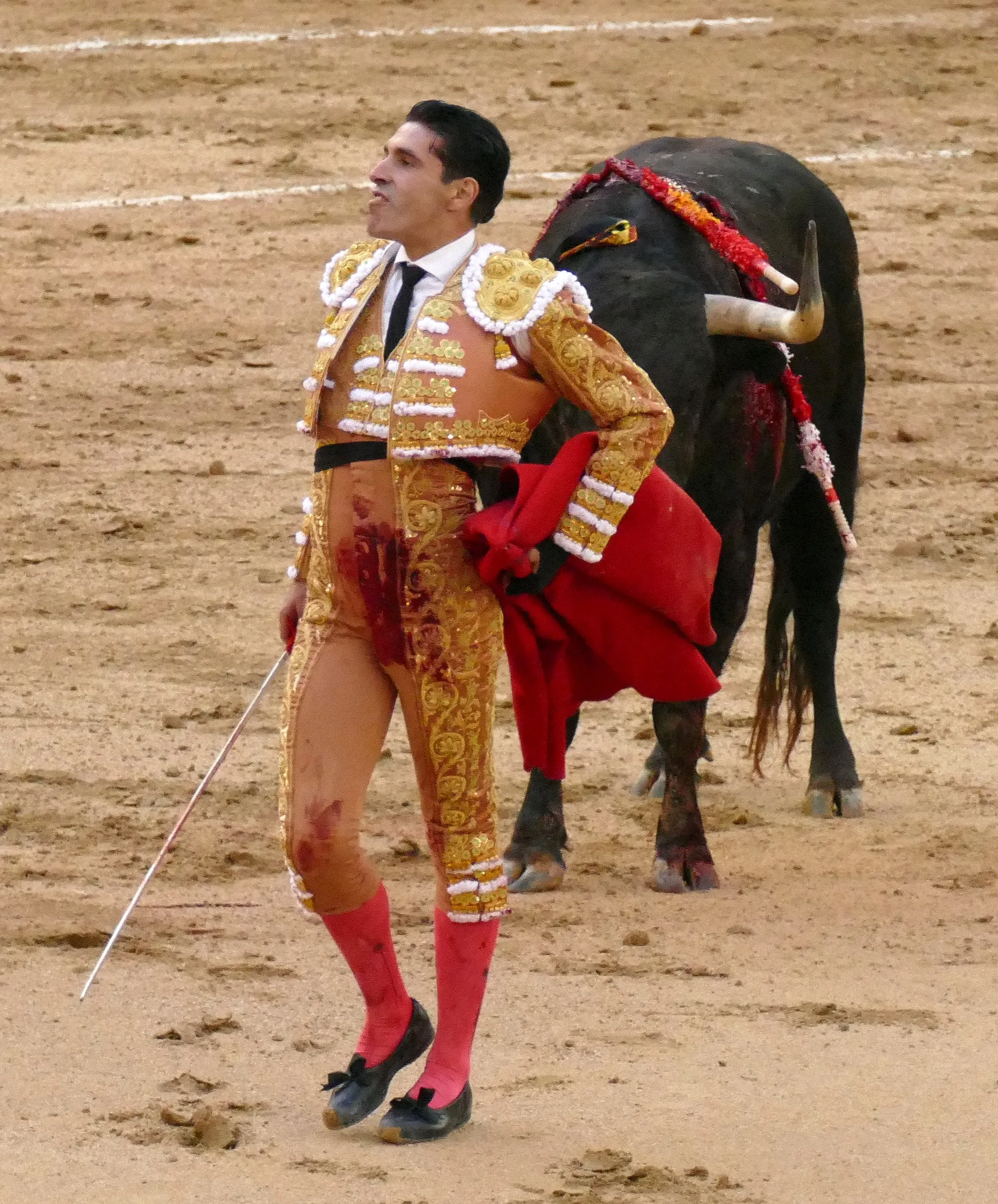
Alejandro Talavante, the current escalafón leader, has another substantial temporada ahead of him
As the case of the independently managed Fernando Adrián has shown - the matador has recently achieved his fourth Madrid Puerta Grande since 2023, but currently languishes 30th in the escalafón de matadores with just four European appearances to date - success in Spain’s capital no longer leads automatically to contracts across the country for the remainder of the temporada, so strong is the grip the empresas have nowadays over the taurine calendar. Nevertheless, it is worth looking at the top 15 matadors in the current escalafón, their performances to date and prospects for the remainder of the year.
1 Alejandro Talavante: 2026 is proving to be another strong year for the extremeño. In addition to going out of Las Ventas’s Puerta Grande and being acclaimed as the San Isidro triunfador for the second year running, Alejandro has notched up significant triumphs at Arles, Talavera de la Reina, Nîmes, Sanlúcar de Barrameda, Marbella and Alicante, and also won an ear at Sevilla. A busy summer lies ahead of him, with maintaining top position in the escalafón in sight.
2 Juan Ortega: Here is a torero being propped up by his empresa apoderado (José María Garzón). With just three fewer appearances than Talavante, he can only point to triumphs at the minor rings of Valdemorillo, Illescas, Almendralejo, Don Benito and Torrejón de Ardoz to justify his placing and in half of his corridas, he’s produced little of note. If you catch him on a strong afternoon, count yourself fortunate.
3 Andrés Roca Rey: Still, amazingly, the crowd-puller he has been ever since his 2015 alternativa, the Peruvian has been making a strong case to retain his figura status, although his true competitors are often absent from his carteles. Triumphs to date include Lorca, Sevilla, Jerez, Cáceres, Sanlúcar de Barrameda and Alicante; he also won an ear during San Isidro; and he already has a further 25 corridas announced for the rest of the temporada.
4 José María Manzanares: Another torero protected by his management arrangements, Manzanares being part of la Casa Matilla, his current tally of orejas is half of that of the matadors on either side of him in the escalafón. His two-ear faenas have been limited to appearances at Illescas and Arnedo in March. He did win an ear from a victorino in his home feria of Alicante, but a season of relatively low achievements appears to have been set in train.
5 David de Miranda: Managed by Enrique Ponce, de Miranda is experiencing his first season on the main feria circuit and hoping to make sufficient impact to keep him there. A Puerta del Príncipe performance at Sevilla on May 24 has stood him in good stead, although his San Isidro afternoons, yielding a single ear, were less successful. To date, though, only two of his 17 afternoons have seen him leave the plaza empty-handed and spectators are enjoying his stoic toreo vertical.
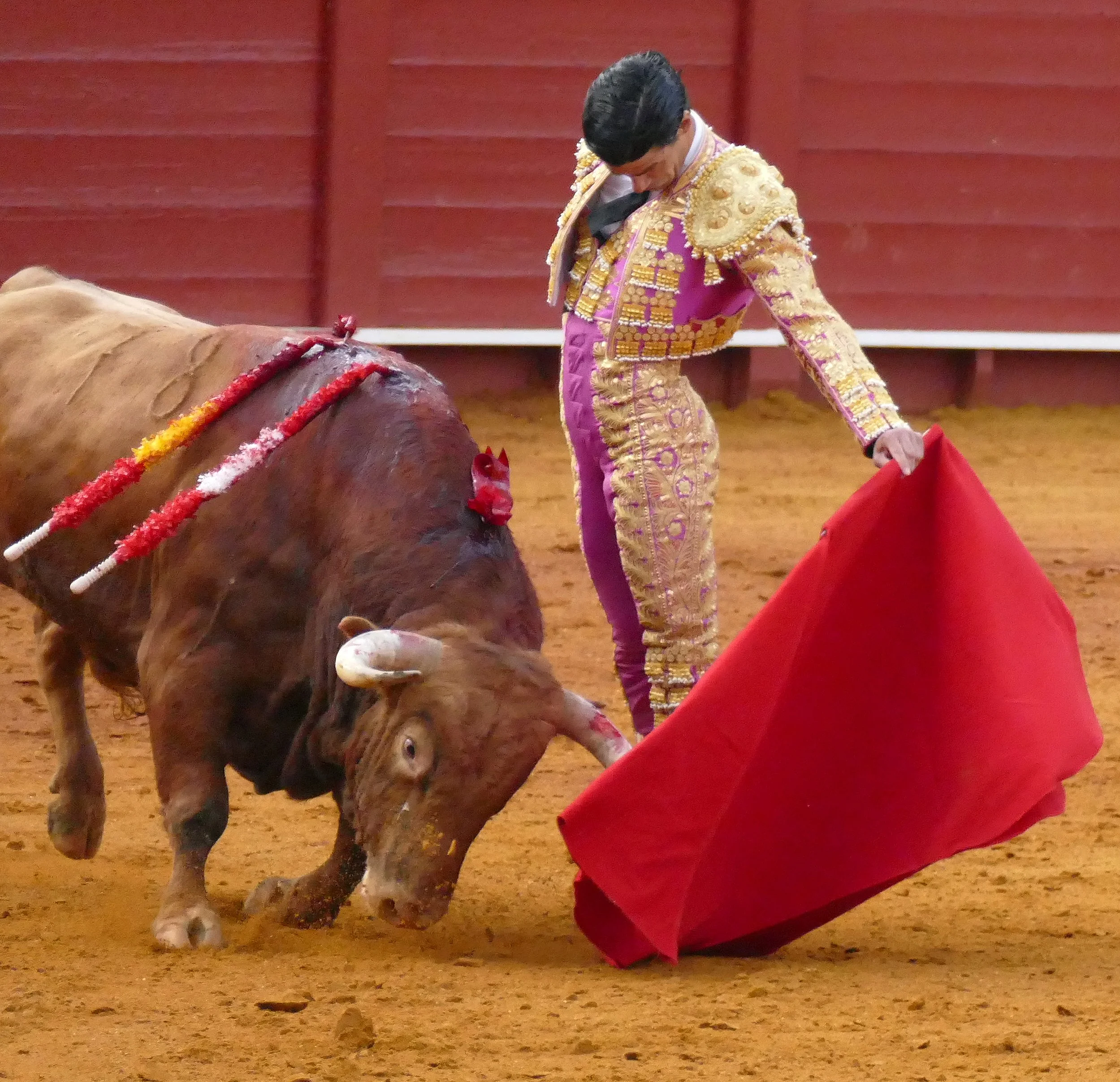
Pablo Aguado - not yet at his 2025 best
6 Pablo Aguado: Like Ortega, Aguado is often a torero who disappoints, although he can be memorable on his best days. Managed by Curro, Antonio and Fran Vázquez, the sevillano’s few two-ear triumphs to date have come at Almendrajejo, Aranjuez (where he also cut a tail) and Sanlúcar de Barrameda. On the other side of the slate, he heard three avisos on his first afternoon in Madrid, silence on his second and pitos after a cynical performance on his third. After a strong 2025, he continues to have a decent season ahead of him in terms of contracts.
7 Marco Pérez: Following a busy Mexican temporada, the young salmantino, absent from Madrid, has been ploughing his own furrow and drawing a decent harvest. Triumphs have come at Olivenza, Castellón, Valencia, Inca, Nîmes, Cáceres, Salamanca and Algeciras, and a further 17 contracts, mainly in first and second-class plazas, have so far been announced, with speculation rife on the possibility of a confirmación de alternativa occuring at Madrid’s Feria de Otoño.
8 Borja Jiménez: Under Julián Guerra’s management, and on the strength of his successes over the last two years, Borja is having a decent season in terms of contracts. The results, however, reveal a falling off of performance. Although there have been two-ear faenas at Cabra and Puertollano (both accompanied by tails) and at Osuna and Alicante, and he won two single ears in a mano a mano at Sevilla, he had nothing to show for his Madrid afternoons, and that has been the case in almost 40% of his contracts to date. To his credit, there have been mano a mano corridas with competitor matadors at Valdemorillo, Valencia, Sevilla (with victorinos) and Nîmes. His camp will be hoping his results improve over the second half of the temporada.
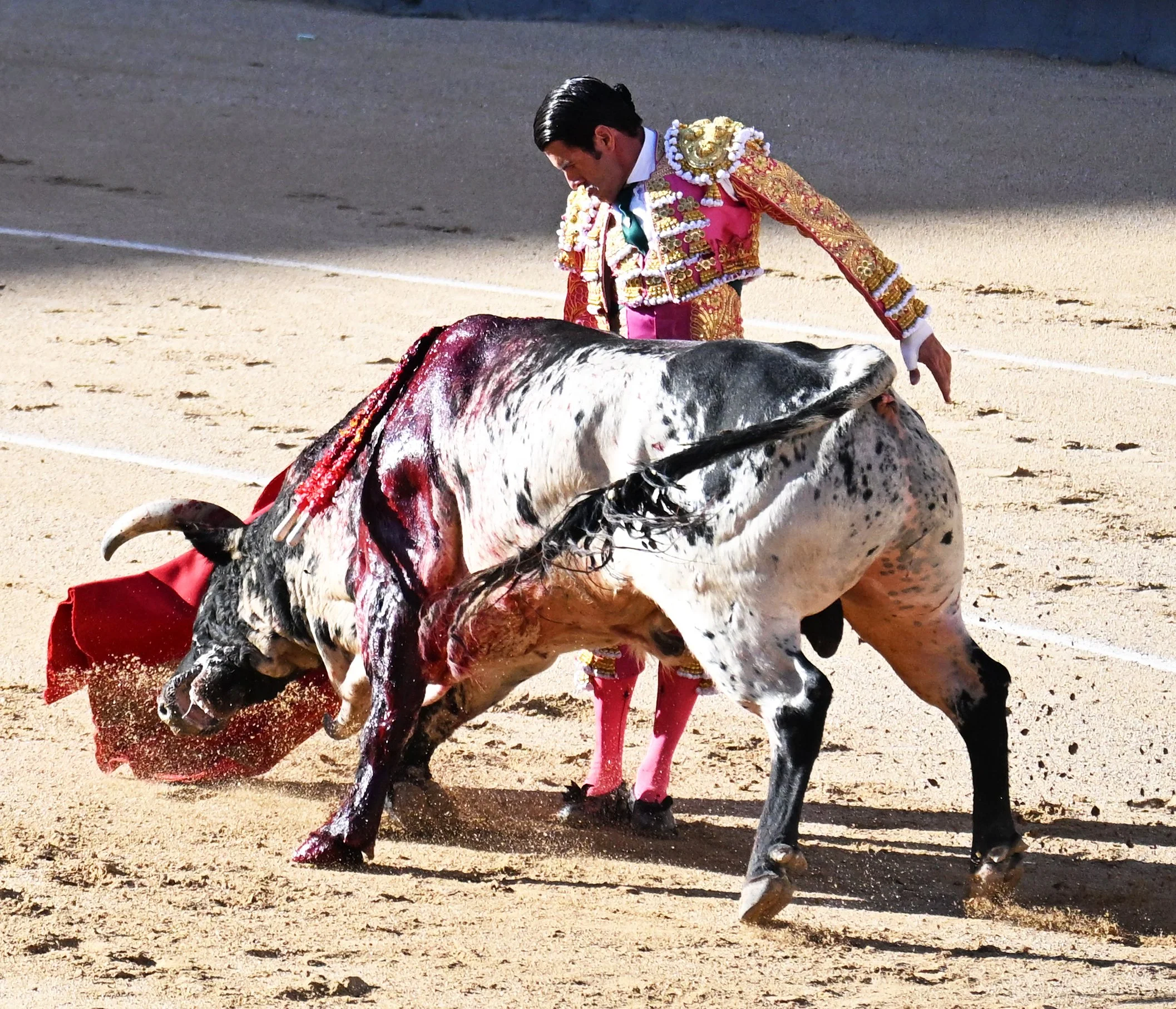
Apart from his swordwork, Emilio de Justo appears to be back on track
9 Emilio de Justo: The extremeño appears to be having somewhat of a resurgence this year after a 2025 in which the distance between matador and bull was often in the Manzanares category. Although unsuccessful in his sole Sevilla corrida and in both his Madrid appearances (his swordwork costing him a possible Puerta Grande on his second feria appearance), Emilio has triumphed at Olivenza, Almendralejo, Trujillo, Puertollano, Nîmes and Ávila and would have left Valencia through its puerta grande were it not for the president. He will be hoping to maintain the standard of toreo and to improve his use of the estoque over the temporada’s remaining months.
10 Morante de la Puebla: What a strange 2026 its been for the man from La Puebla del Río! He began the year retired, then was persuaded to return for Sevilla’s corridas (agreeing to perform in the April and June ones, but keeping his options open for San Miguel), and now looks set to have as busy a temporada as he had last year! His three April afternoons were the perfect springboard, with two ears won on his first afternoon, two vueltas al ruedo after a superb faena to his second bull in his second corrida, and a further ear gained at the third. Since then, he’s performed his unique approach to toreo to great success at Jerez, Aranjuez, Sevilla’s Corpus corrida (exiting through the Puerta del Príncipe), Salamanca, Marbella and Alicante. Twenty-four further corridas lie ahead of him at the time of writing.
11 Sebastián Castella: The Frenchman’s strongest performance so far this season came at Madrid on May 22, when he produced a magnificent faena to a bull of Victoriano del Río, only to have to settle for a vuelta al ruedo after his swordwork let him down. His only two-ear faenas to date have come at Valdetorres de Jarama and Istres, where he had a bull of Jandilla indultado. A veteran now, perhaps with his most successful days behind him but matured in his toreo, Castella, with Casa Matilla backing, will still enjoy another substantial temporada.
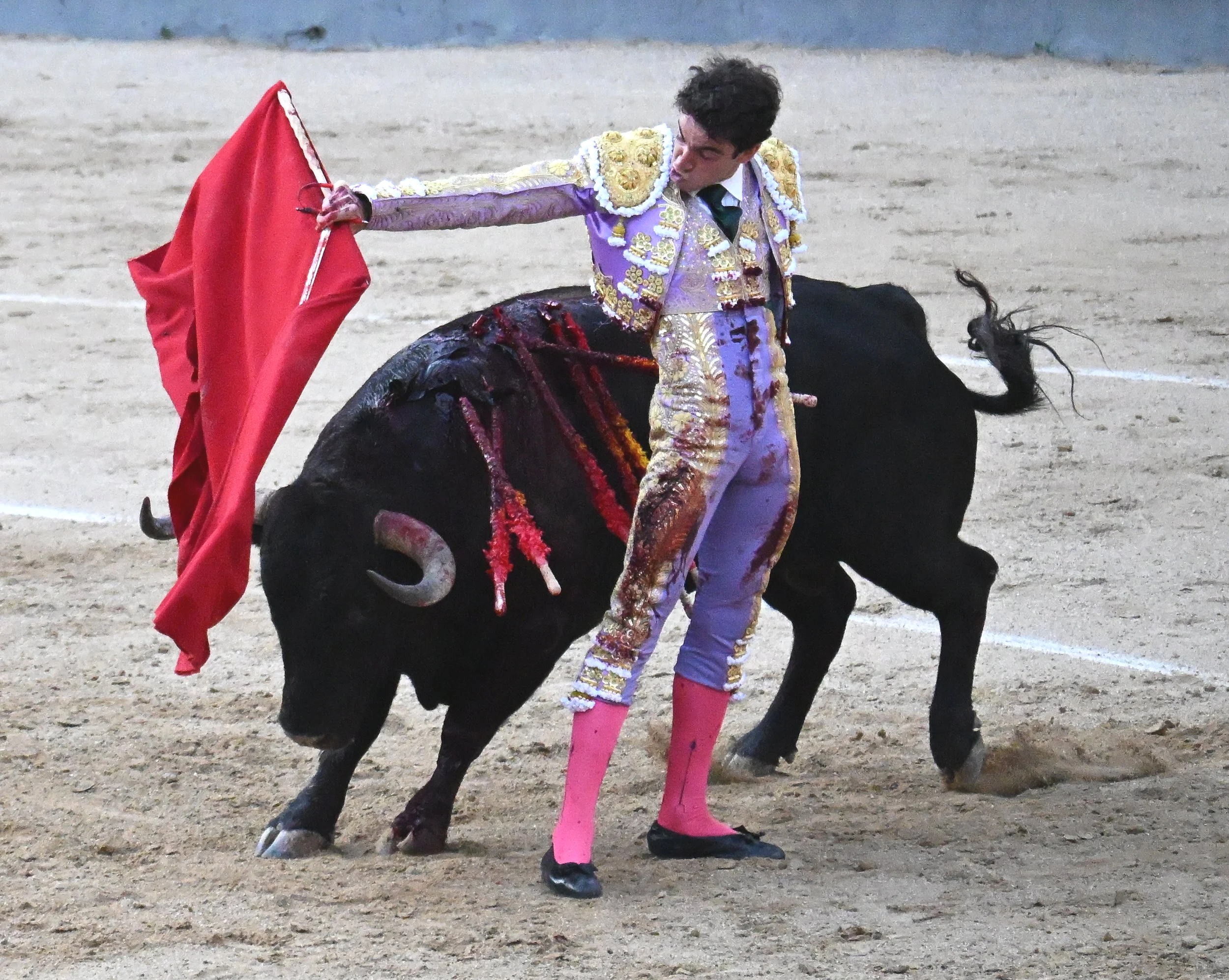
Víctor Hernández appears to be doing enough to remain a feria fixture for 2027
12 Víctor Hernández: Along with David de Miranda, Víctor is the other matador for whom the feria gates have opened this season. Indeed, the two have similar types of toreo, quietud and verticalismo being their game, although de Miranda has far the greater experience. In only his third full season as a matador, Víctor is still finding his way, but he is not intimidated appearing alongside figuras and has tasted success at Illescas, Palas de la Frontera, Vera (an indulto included) and Torrejón de Ardoz, and, backed by ex-matador Miguel Abellán, has sufficiently impressed audiences in the first class plazas with his toreo and his valor to maintain his position in the carteles for next year.
13 Daniel Luque: Once the great hope to challenge Andrés Roca Rey for top figura status (the Peruvian’s veto of the sevillano continues), Daniel continues to show great ability but is becoming more and more marginalised. His two-ear faenas to date have come at Castellón, Arles and Córdoba. He cut two single ears at Sevilla, but drew poor bulls at Madrid. Managed by the Lozanos, he has a decent schedule ahead of him, and his camp will be hoping a successful six-bull encerrona at Mont de Marsan next month will raise his profile once again.
14 Miguel Ángel Perera: The extremeño’s toreo has always had its critics, but, to my mind, he is a veteran who is always worth seeing. This year has brought him triumphs at Cabra, Don Benito and Osuna, but big successes in the more important plazas have so far eluded him, although he has won single ears at Sevilla and Nîmes. He had a dreadful afternoon in Madrid with La Quinta bulls that would not lower their heads, but he continues to be an important torero to watch, whether he is toreando according to the cánones or conducting arrimón in ojedista fashion.
15 Tomás Rufo: Tomás will have been hoping for a stronger first half of the season, but too often his swordwork has cost him trophies. He has gone out on shoulders at Castellón and Arles, and should have done the same at Valencia where the president appeared to be blind to his toreo, but both Sevilla and Madrid passed by without success. This month has brought two salidas a hombros at Alicante and Algeciras (where he had a bull of Torrealta indultado), and the toledano will be looking for a consistently better second half to the temporada that will maintain his place in the carteles despite the challenge of several interesting newcomers in the matador ranks.
It will be noticeable that the bulk of the San Isidro triunfadores currently lie outside the escalafón’s top 15. Closest is Antonio Ferrera at No. 16, and the extremeño veteran should close a number of contracts in the minor rings on the strength of his Madrid success. Román (presently 21st)and Diego Urdiales (25th) should also pick up a few contracts here and there as a result of their San Isidro triumphs. Relative newcomers Samuel Navalón (19th), Ismael Martín (31st), Manuel Diosleguarde(34th) and Aarón Palacio (41st) have all been making a strong case for a regular slot in the ferias, but, the mundillo being what it is these days, whether they succeed will depend on the empresas deciding to ease the path for them, which may entail management changes.