La Copa Chenel enters a new era
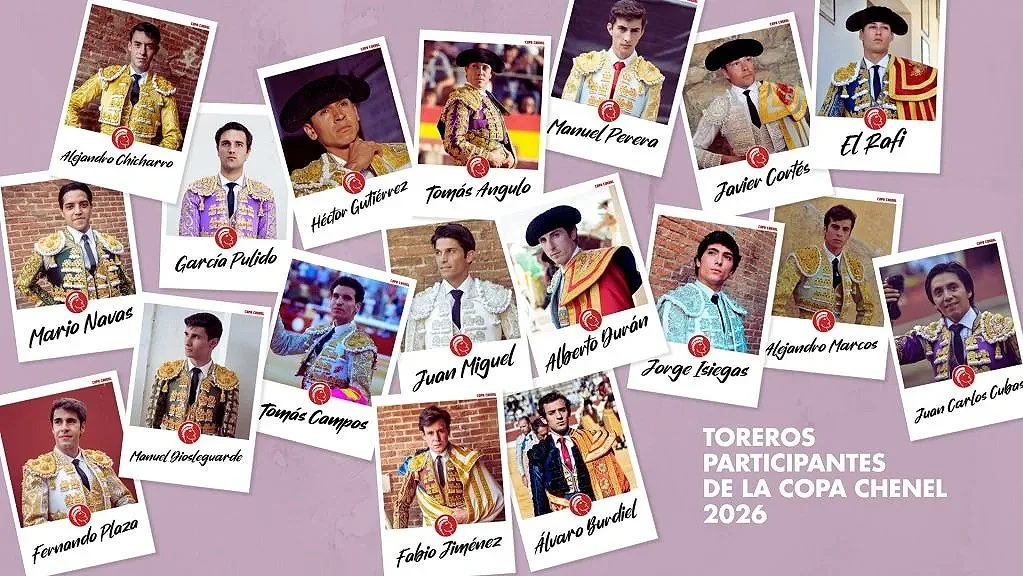
Now about to enter its sixth year, it’s unsurprising that la Copa Chenel - the Comunidad de Madrid-sponsored competition largely designed for toreros modestos o nuevos - has opted to make changes to its format.
Perhaps the biggest change is the decision that previous participants in the competition could apply to take part again. Although it’s reported that over 130 matadors asked to be considered for the 2026 competition (for context, 157 matadors are listed in the 2025 European escalafón), over half (10) of the 18 toreros finally selected to take part this year have been entrants in previous editions of la Copa Chenel.
The certamen has a lot of prestige in terms of (re)launching matadors’ careers. Fernando Adrián went on to greater things after winning the inaugural contest in 2021; the young Mexican Isaac Fonseca established himself by winning the series in 2023; and Víctor Hernández, the 2024 winner, looks set to be another important graduate. But it is not always the springboard to a decent career - 2022 winner Francisco de Manuel failed to consolidate his Copa Chenel success and the jury is currently out on last year’s cup winner, Sergio Rodríguez. Will the competition retain its prestige with so many previous contestants in it?
Perhaps this is the reason the organisers have opted for a final at Las Ventas rather than at a less important plaza in Madrid Province, where the Copa’s closing event has previously been held. A grand final at Las Ventas is bound to increase the competition’s profile.
There have been changes in the timing and structure of the certamen too. After the bad weather caused a number of postponements to the early corridas in 2025, this year’s competition will start later in the year, commencing at the end of March. The semi-finals, held in July, will all be corridas nocturnas and the concept of two finals, one with three matadors leading on to a mano a mano finale, has at last been scrapped, albeit with the introduction of a third semi-final that will feature one bull for each of the semi-finalists. The point of this alteration is hard to ascertain given each of the toreros will already have had the opportunity of facing two bulls in the earlier semi-finals. This third semi-final, to my mind, places too great an emphasis on the luck of the sorteo, and there is no indication as yet as to how a triumph or poor showing at this stage of the contest will be evaluated against the earlier semi-final performances in determining which three toreros should be selected to go on to the Las Ventas final. The temporada dates for Las Ventas have already been announced, so we can assume the Copa Chenel final will take place on either August 6, 15 or 27. The winner will still be guaranteed a place in the capital’s October 12 corrida which this year follows immediately on the second weekend of the Feria de Otoño and closes the Las Ventas temporada.
This year’s participants
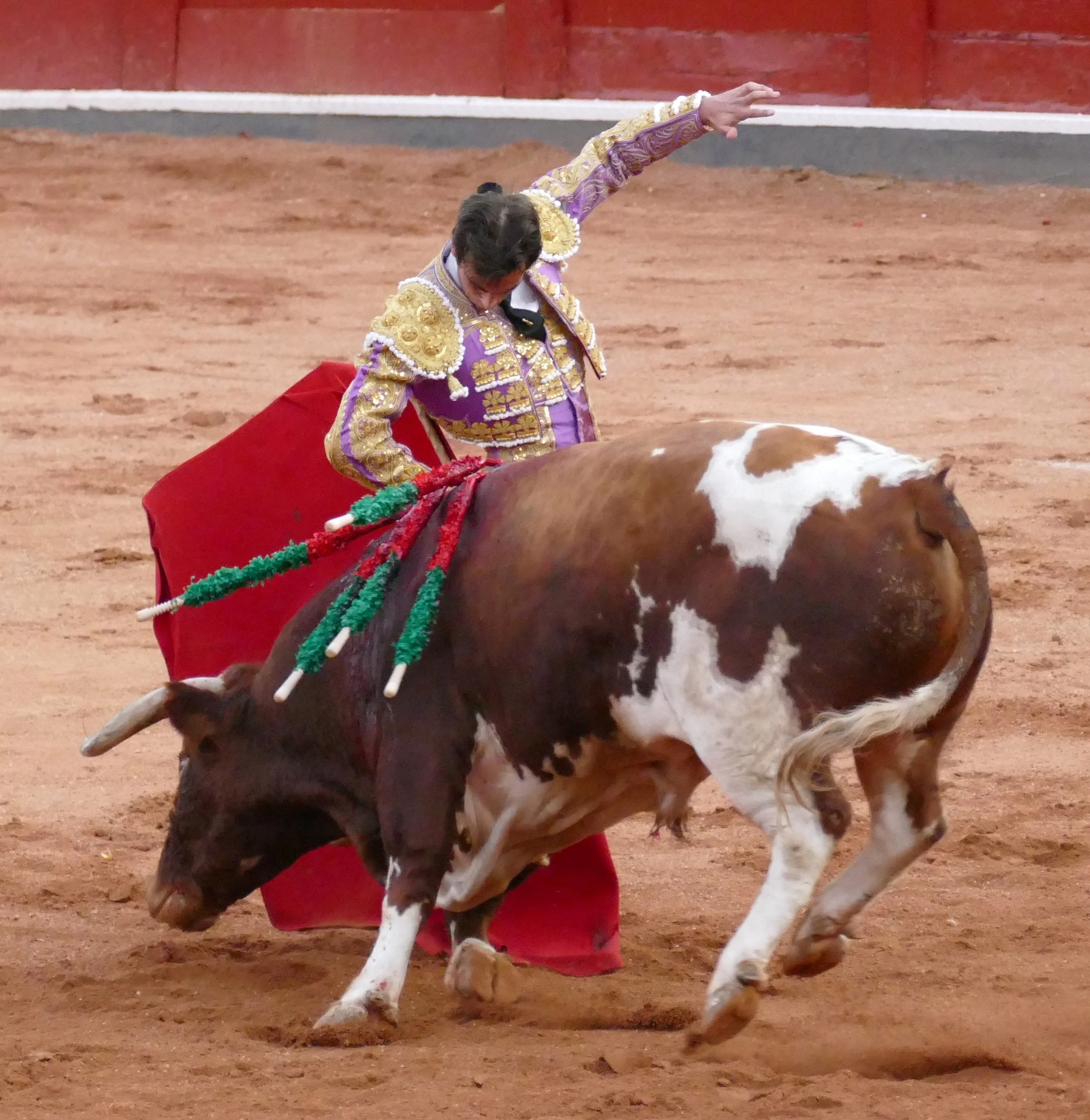
Alejandro Marcos is one of la Copa’s returnees
Of those matadors selected to have a second chance at winnning la Copa, García Pulido is in for a second consecutive year after a goring at a round in Alalpardo last year prevented him from continuing in the competition. Álvaro Burdiel, who reached the first final last year only to be injured, is also participating for the second year running. The other returnees are Jorge Isiegas and Tomás Angulo from the 2021 edition; Alberto Durán, Manuel Perera and Fernando Plaza from the 2023 series, which included Plaza’s alternativa; and the salmantinos Alejandro Marcos and Manuel Diosleguarde, who both took part in la Copa in 2024; while Juan Miguel, from Colmenar de Oreja, has been listed as a Copa participant for a third time after his 2022 participation was thwarted by injury and he took part in the 2023 series instead.
Turning to newcomers, la Copa retains its links with the Liga de Novilladas (also organised by la Fundación del Toro de Lidia), with 2026 appearances for Alejandro Chicharro, triunfador of the Circuito de Madrid in 2023, and Mario Navas, triunfador of the Circuito de Castilla y León that same year. Tomás Campos, from Extremadura, the riojano Fabio Jiménez (in his first full season as a matador) and the aragonés Jorge Isiegas will also take part. The organisers have been keen to give the competition an international flavour, and this year El Rafi will represent France, Héctor Gutiérrez Mexico, and the veteran Juan Carlos Cubas (in his 22nd season as a matador de toros) Peru. Finally, another established matador, Javier Cortés, has been brought in, alongside Cubas, as one of the organisers’ special choices.
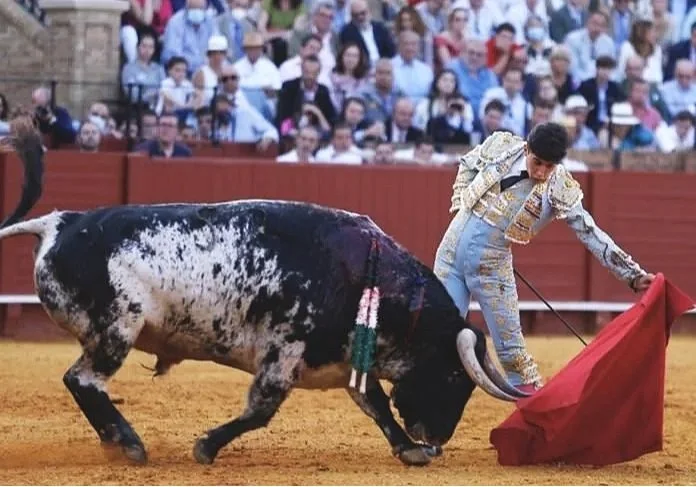
Manuel Perera on the afternoon of his alternativa (image from www.lascosasdeltoreo.com)
The Copa Chenel website has put up a ranking showing the number of festejos each matador has appeared in in 2025, which is surprisingly headed by Manuel Perera, whom readers will recall as the novillero managed by Juan José Padilla until there was a big falling out shortly after his 2022 alternativa in Sevilla. Young Manuel has apparently appeared in 54 festejos in 2025 (although burladero.tv lists only 30), all in Latin America. Juan Carlos Cubas is second on 24 appearances and Héctor Gutiérrez third, with 20 corridas.
Who are the most likely finalists? That will depend to some extent on the shape of the initial carteles and on who comes through unscathed, but it would not surprise me to see Gutiérrez, Isiegas and Diosleguarde appearing in the August final in Las Ventas, with Perera, Burdiel and Cortés also in strong contention.