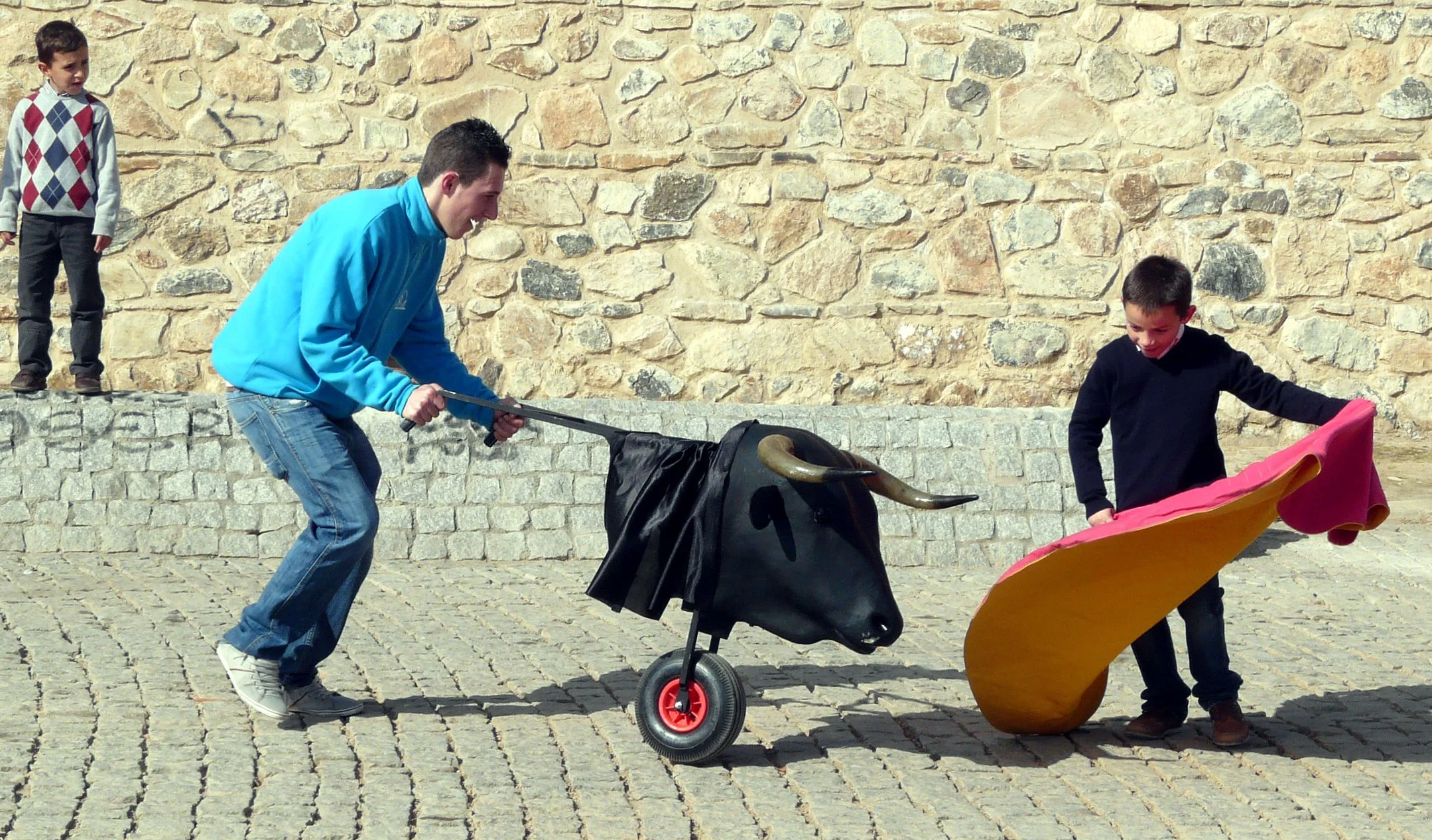
The Ministerio de Juventud e Infancia of Spain’s Government has recently announced it is considering incorporating within its Ley de Protección de la Ley Orgánica de Protección Integral a la Infancia y la Adolescencia frente a la Violencia (LOPIVI for short!) a ban on under-18s attending or participating in events that involve violence against animals. The spur for this move, which would impact on two significant Spanish traditions - hunting and bullfighting - has been a recommendation to Spain from the United Nations’ Committee for Children’s Rights based on the belief that exposure to animal abuse at a young age leads to the normalisation of violence and harm to the individual as well as to society in general.
Bragi Gudbrandsson, a member of the Committee, has claimed that there is “irrefutable scientific evidence” to support this belief. However, the available data would seem to be somewhat tentative and point towards animal abuse in domestic settings as being a more proper area for concern.
The case for taking action on bullfighting
A comprehensive review of studies examining the relationship between childhood witnessing of animal cruelty and negative emotionality and behaviour, Prof. Eleonora Gullone’s ‘Animal cruelty, antisocial behaviour, and aggression: More than a link’ (2012) had four key findings:
1. Childhood witnessing of violence and aggression towards people and animals is one of the prime risk factors for the perpetration of animal cruelty and violent acts in general.
2. Youth exposed at an early age to hurting or angry aggression towards animals are more likely to commit animal cruelty and to do so more frequently than youth exposed to such cruelty at older ages.
3. Witnessing of cruelty is not only a potential pathway for animal cruelty, but also for bullying and other forms of human aggression.
4. Children who witness significant others, such as parents or older siblings, committing violence towards humans and/or animals are more likely to report committing animal cruelty and aggression towards others.
Prof. Gullone and other animal and child welfare experts argue that government-sanctioned exposure of children to brutal violence may be a form of psychological violence against youth. Hence, if governments choose to condone, be complicit in, or ignore this exposure, despite having knowledge of the dire psychological and social consequences for youth exposed to this cruelty, it can be argued that their actions (or inaction) constitute a violation of basic human rights.
That is the general case for prohibiting youngsters’ access or participation in bullfighting. However, research to date shows there are other important points to bear in mind.
Other research findings
Ladny’s & Meyer’s 2019 report ‘Traumatised witnesses: Review of childhood exposure to animal cruelty ‘ makes the point that, “It is important to clarify that the context of childhood exposure to violence towards animals may moderate its effects on youth wellbeing. For example, some children grow up in environments where witnessing animals being slaughtered on family farms is a regular occurrence. While we acknowledge that these animals experience pain, the absence of “angry aggression” directed towards the animal, in conjunction with the understanding that the killing is done for the sole purpose of food, may dampen the effects of such exposure on the child’s emotional and mental health. In contrast, witnessing an act in which an animal is brutally attacked for the enjoyment of the perpetrator or to cause suffering to the animal (i.e., angry aggression) may increase any negative sequelae from exposure to the violent act.”
Although studies looking at the effects on children of witnessing violence towards animals that are not pets find negative behavioural outcomes as well, research to date has evidenced strong links between the prevalence of animal abuse and domestic violence, whether towards children or partners, where the abuse of pets has particularly negative effects on children. In their examination of the effects of exposure to Intimate Partner Violence in a 2007 report on violence against women, Frank Ascione and colleagues found that children from homes with such violence were more likely to witness animal cruelty and to score higher on the Child Behaviour Checklist for internalizing and externalizing problems (e.g. somatic complaints, depression, rule-breaking behaviour and aggression) than children who had not witnessed domestic violence or animal cruelty.
In a review of the evidence for the link between domestic violence and abuse of animals and children, Becker and French (2004) identified several themes, two of which are “animal abuse as part of the continuum of abuse within the family” (my italics) and “animal abuse as an indicator of the existence of child abuse”. Of great concern is the potential for childhood cruelty toward animals to not only escalate in intensity, but to foreshadow later abuse of other humans. A 2008 survey of secondary school children, for example, showed that witnessing animal cruelty was a significant predictor of bullying peers. However, while some researchers have argued that individuals tend to move from violence toward animals, particularly in childhood, to subsequent violence toward humans, others have suggested that the evidence for this graduation or progression hypothesis is weak and inconsistent, and that an approach to animal abuse that focuses on that link may be misguided.
In Britain, a 2001 Manchester Metropolitan University pilot study asking young people directly why they thought a child or young person might harm an animal produced 12 possible reasons - dislike of the animal, retaliation towards the animal, anger, carelessness, boredom, curiosity, mental health, laziness, substance misuse, a sense of fun, reciprocation aimed at another person, as well as copying, i.e. learned behaviour from adults, peers or the media.
Where does this leave bullfighting?
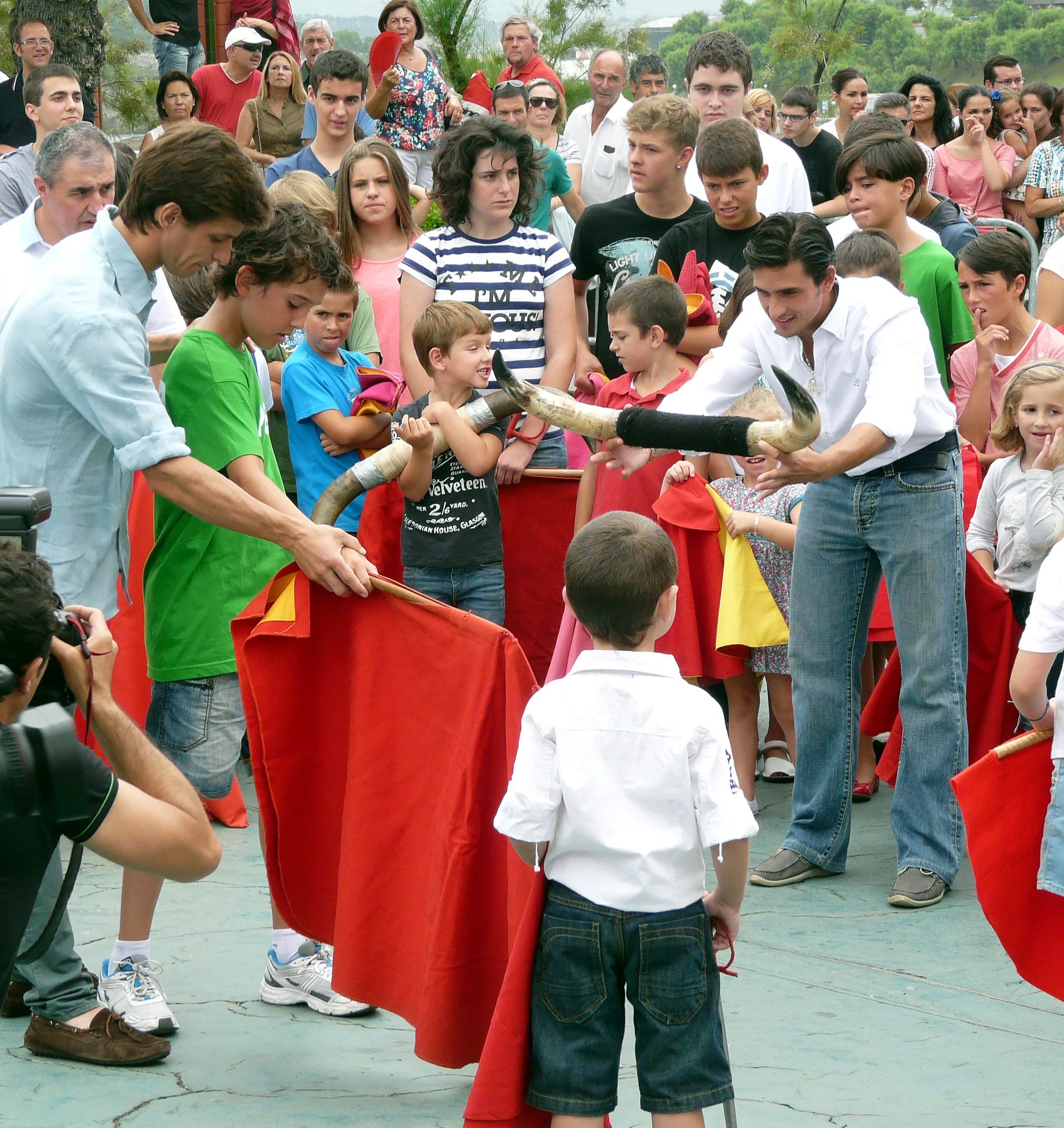
It is clear that the Spanish Government’s consideration of banning under-18s from attending or participating in bullfights - particularly the latter - would have a damaging effect on the spectacle. Not only would it impact on festejo attendances, it would also deal a substantial blow to Spain’s several escuelas taurinas, responsible for much of the young lifeblood in the Fiesta. Bullfight prohibitionists would be cock-a-hoop were this measure to be adopted.
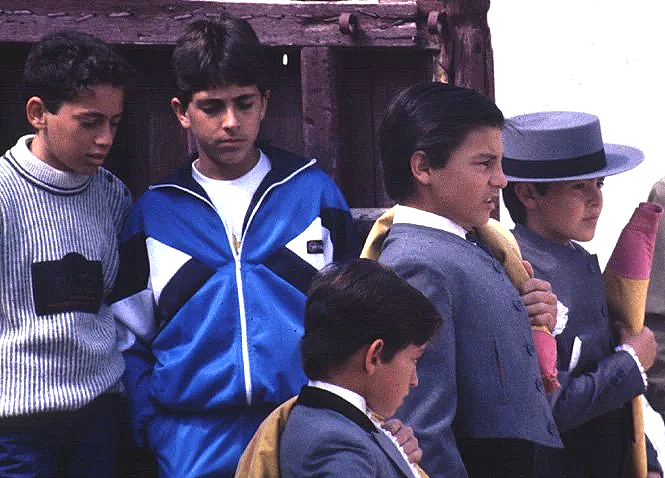
But bullfighting has a strong argument in relation to the above research findings. It is not an example of “angry aggression” towards the toro bravo: rather it is a ritualised killing in which the bull is venerated (in stark contrast to the 300 million cattle slaughtered anonymously in the world each year for meat production). Furthermore, as José Miguel Arroyo Joselito’s autobiography has shown, the values inculcated in youngsters as they strive to become toreros are diametrically opposed to anti-social behaviour. In addition, with their being more impacted by witnessing mistreatment of animals in domestic settings, banning children from attending or taking part in bullfighting would have minimal affect, if any, on their wellbeing.
Nor is there any indication that the existence of bullfighting in Spain is a significant contributing factor to the level of domestic violence in the country. (In 2023, Spain had the fourth lowest national rate of women reporting intimate partner physical and/or sexual violence over their lifetime at 15%, compared to the UK’s 24%, the USA’s 26% and the highest figure of 32% in Turkey.)
Burladero.tv has pointed out in an editorial that it’s essentially a political choice to follow the UN’s recommendation or not and has questioned where such a move would leave parents’ rights to determine the moral and cultural education of their children - “Protecting minors is an obligation of the State. Replacing families, imposing a single cultural vision, and eroding pluralism is not.” It can be added that protecting bullfighting is legally a responsibility of Spain’s politicians too, and passing this prohibition would significantly damage it.
Meanwhile, France’s Observatoire National des Cultures Taurines has published a series of further objections to the UN Committee’s recommendation that should give politicians additional pause for thought. The 1948 Universal Declaration of Human Rights and the 1966 International Pact of Economic, Social and Cultural Rights both contain the principle of non-discrimination and the right of everyone, regardless of their age, to participate freely in cultural life and enjoyment of the arts.
In addition, the 1989 International Convention on the Rights of the Child established that the best interests of the child involve an education in accordance with the culture of the community to which they belong. The Convention also stated that the primary responsibility for education lies with the parents; that no child can be deprived of their own cultural life; and that states must promote children’s free participation in cultural and artistic life on an equal basis. In addition, the 1993 Vienna Declaration called for respecting national and regional particularities, and several UNESCO conventions — on cultural diversity (2001), intangible cultural heritage (2003), and the diversity of cultural expressions (2005) — recognize these practices as the common heritage of humanity and promote their protection, transmission, and dissemination in ways that avoid any form of cultural segregation.
Similarly, the Observatoire recalls that, in 2010, the European Parliament emphasized that animal welfare must be considered while respecting the cultural traditions and regional heritages of the member states, and notes that there is no conclusive scientific study demonstrating that the presence of minors at bullfights constitutes a psychological trauma for them.
La Asociación Nacional de Organizadores de Espectáculos Taurinos (ANOET) has predictably expressed its disagreement with what it considers to be “a direct attack on cultural, educational and family freedom, as well as an unjustified interference in a cultural manifestation that is part of Spain’s cultural heritage,” and urges the Government to reconsider and enter into dialogue with the sector, “avoiding ideological decision-making that divides society.”
Bearing in mind the inconclusive general data and the lack of specific data, as well as the comments the announcement has given rise to, Spain’s politicians should have the confidence in their country’s standing and cultural heritage and the values engendered in the escuelas taurinas to opt not to proceed with this prohibition.
AI viewpoints on animal cruelty and bullfighting
A sense of detail in such matters is important, as well as an appreciation of minority interests. I carried out some AI investigation while preparing this article (AI being merely a trawling of general opinion), when the following answers were given to my questions:
Is animal mistreatment subjective?
Yes, animal mistreatment is subjective. The perception and reactions to animal abuse can vary significantly among individuals and cultures, influenced by personal attitudes, norms and moral obligations. Studies have shown that reactions to animal abuse are often shaped by factors such as attitudes towards animals and social norms, indicating that the subjective nature of animal mistreatment is indeed a significant aspect of the issue.
Is hunting cruel?
Ultimately, the perception of hunting as cruel or necessary often depends on individual values, cultural contexts, and the specific circumstances surrounding hunting practices.
Is bullfighting cruel?
Bullfighting is widely considered to be a cruel practice due to the severe physical and psychological suffering inflicted on the bulls involved.
Is the perception that bullfighting is cruel subjective?
The perception that bullfighting is cruel involves both objective and subjective elements, and understanding this requires distinguishing between factual harms to the bulls and individual or cultural moral judgments.
Objective Component:
Empirical evidence shows that traditional bullfighting (Spanish-style corridas) involves systematic physical injury and eventual slaughter of the bull. Bulls experience blood loss, puncture wounds from barbed darts (banderillas), exhaustion, and often die in the arena. Even proponents who defend the practice as art or tradition do not dispute that the bull suffers physically.
Therefore, the cruelty is objectively observable in terms of inflicted pain, stress, and death, as documented in animal welfare research and ethical analyses. Bloodless variants exist (recortadores, some Portuguese bullfights), in which physical harm is minimized.
Subjective Component:
The moral interpretation of this cruelty is culturally and individually mediated. For some, the entertainment or artistic framing of bullfighting justifies or mitigates the ethical concern; for others, no justification can morally outweigh the harm inflicted.
Philosophical frameworks illustrate this: utilitarians weigh the pleasure of spectators against the bull’s suffering, while rights-based ethics recognize intrinsic rights of animals to avoid unnecessary suffering. Cultural relativists may defend bullfighting as a tradition, whereas moral pluralists or universalists may reject cruelty regardless of local norms.
Synthesis:
While the physical suffering is an objective fact, the assessment of bullfighting as “cruel” is partly subjective, because it depends on an individual’s or society’s normative framework. Ethical disagreement arises not from disagreement over factual harm but over the moral significance of that harm and whether cultural, artistic, or economic values can justify it.
Conclusion
Yes, the perception that bullfighting is cruel has a subjective dimension, rooted in culture, ethics, and personal values. However, this perception is anchored by objective facts about the bull’s suffering, making the debate a nuanced interplay of observable harm and moral interpretation. In other words, the cruelty exists in measurable terms, but labeling it “cruel” involves subjective ethical judgment.
This aligns with sources which consistently indicate the bull’s suffering while highlighting divergent cultural and philosophical interpretations [two anti-bullfight website sources are then provided as evidence].